


How to Protect Paintings from Copying? How to Protect Your Artistic Style So That AI Cannot Plagiarize It
 Art DomJuly 7, 2026
The era of generative neural networks has radically changed the art industry. Just a few years ago, an artist could calmly publish their works on social networks without fear that someone would reproduce their unique style in a couple of minutes. Today the situation is different: it is enough to upload a dozen images into an artificial intelligence system, and it will learn to create works "in the manner" of any author.
This creates serious risks for artists: loss of uniqueness, decrease in the value of works, and reputational problems. Modern image generation technologies can not only copy a specific painting but also imitate an entire artistic style — the manner of brushstroke, color palette, and favorite subjects of the author. Copyright protection in these conditions becomes not a formality but a necessity.
High-quality protection directly affects the purchase of paintings and the cost of works. Collectors are increasingly asking about the availability of certificates of authenticity, copyright registration, and other confirmations of uniqueness. In this article, we will examine what protection methods are available to artists today and how to preserve your artistic style in the era of AI.
Why It Is Important to Protect Your Artistic Style
Risks of Copying in the Digital Era
The main threat to a modern artist is the use of images by neural networks without the author's consent. Many companies train their models on huge datasets that include millions of images from the open internet. An artist who has published a work on their page may discover that their style of painting is now available to every user of an AI generator.
This creates two types of risks. The first is direct plagiarism, when someone creates works "in the style" of the author and passes them off as their own. The second is reputational: if many low-quality imitations appear on the network, potential buyers may lose interest in original creativity.
Impact on the Art Market
A protected artistic style is an investment in the future value of works. In the market of paintings purchase, uniqueness and recognizability are valued above all. When an artist can documentarily confirm their style, the date of creation of works, and the right of authorship, their works become more attractive to collectors. This is especially important for the segment of the purchase of paintings by contemporary artists, where the cost directly depends on the author's reputation and their recognition in the market.
Legal Significance of Protecting an Artistic Style
In most countries, copyright arises automatically at the moment the work is created. However, the fact of authorship itself can be difficult to prove without documentary confirmation. Registration of rights in specialized bodies, notarization, depositing works in copyright societies — all this becomes the evidence base in case of a dispute. Protecting precisely the "style" as such is legally more difficult than a specific work, but a combination of recognizable elements can also be protected.
Methods of Protecting Paintings and Artistic Style
Legal Protection
This is the basic level, without which it makes no sense to talk about other methods:
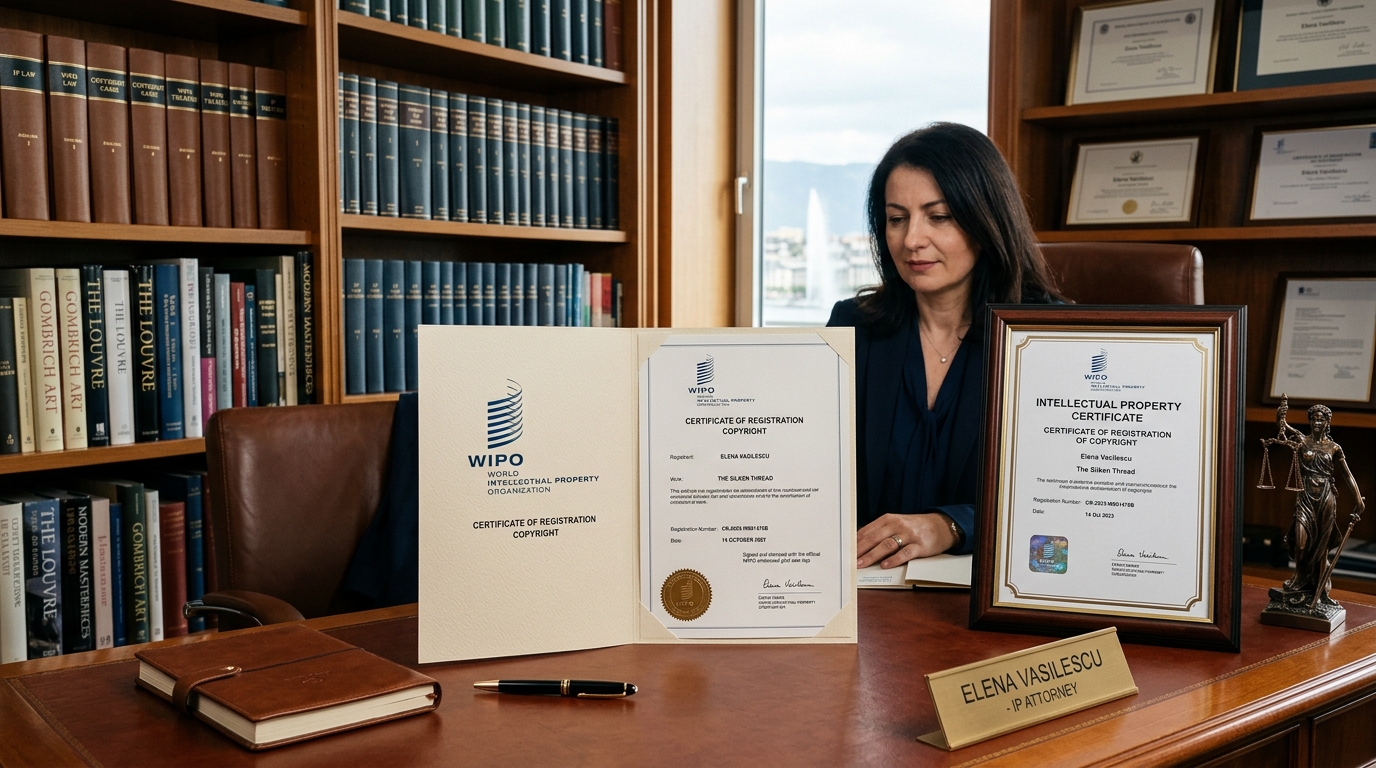
- Registration of copyright in state or international registers.
- Use of licenses and contracts when cooperating with galleries, publishers, and buyers.
- Certificates of authenticity for each work — the main document in the purchase of paintings in Ukraine and abroad.
- Depositing works in copyright societies.
Digital Protection Technologies
Modern tools significantly expand the artist's capabilities:
- Watermarks on digital images of works.
- Digital signatures and invisible markers (for example, technologies like Glaze and Nightshade specifically for protection from AI training).
- Metadata with information about the author, date of creation, and technique.
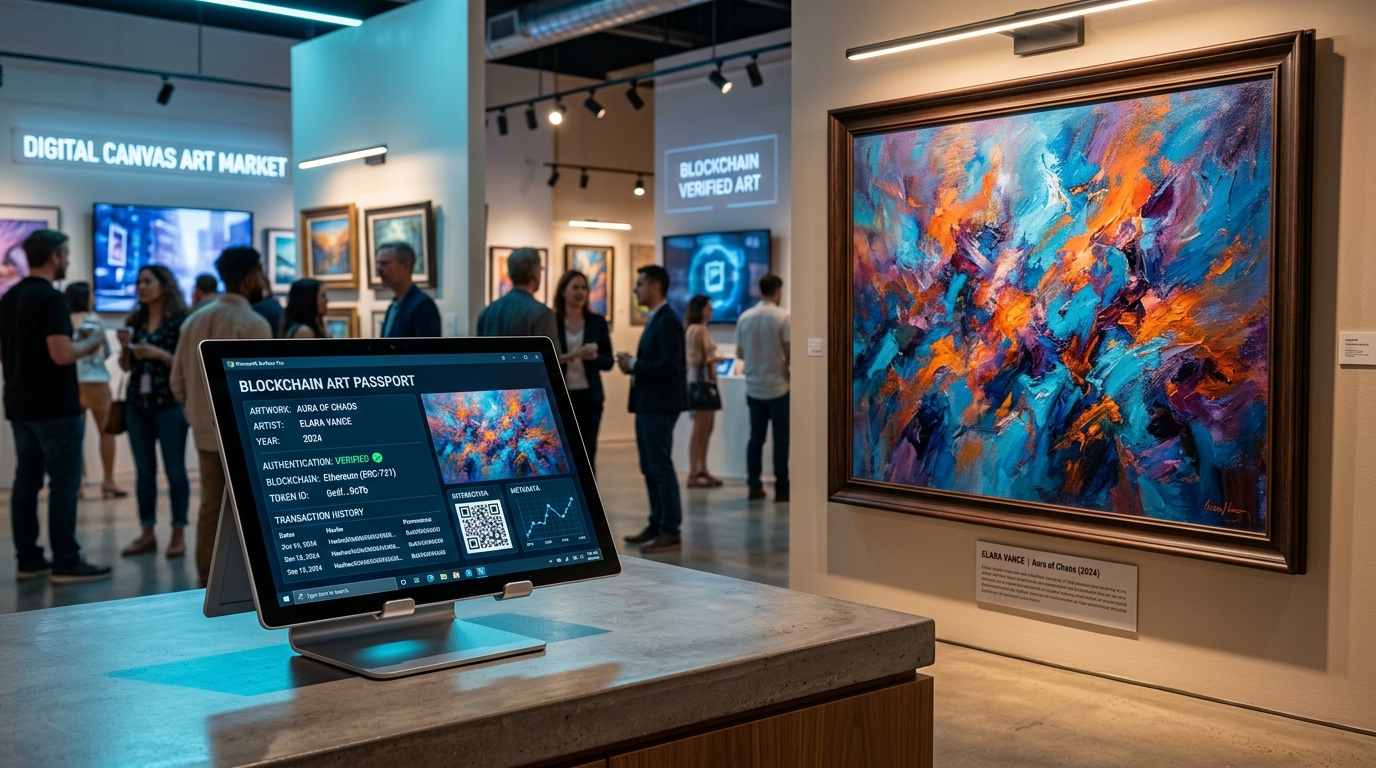
- Digital passports of paintings based on blockchain technologies.
- QR codes on the works themselves, leading to a page with verified information about the author.
Technical Style Protection
In addition to documents and digital tags, it is important to work on the uniqueness of the artistic style itself:
- preservation and development of recognizable techniques;
- a combination of materials that is difficult to reproduce (for example, author's paint mixes, specific primers);
- signature elements — characteristic details, signs, ways of signing;
- volumetric and textured effects that cannot be conveyed through a digital image.
The harder it is to reproduce your work physically, the lower the risk of its copying.
How to Protect Paintings from Being Copied by AI
Methods to Reduce the Risk of Generating Copies
It is difficult to fully protect yourself from neural network training, but it is possible to reduce the risks:
- Do not upload images in maximum resolution — publish reduced previews.
- Add hidden unique elements that are noticeable only upon detailed examination of the original.
- Use specialized platforms with protection against parsing and downloading.
- Apply tools like Glaze, which "poison" the image for AI models while preserving its visual appeal for humans.
Documents and Confirmation of Authorship
When it comes to the purchase and sale of paintings, documentation plays a decisive role:
- certificates of authenticity with photographs and a detailed description of the work;
- expert opinions from professional appraisers;
- registration of works in professional databases and catalogs;
- participation in exhibitions with documentary confirmation.
Control Over the Distribution of Images
Many artists underestimate the importance of tracking where their works appear:
- limiting copying and reposting functions on social networks;
- publishing only fragments of works or with visible watermarks;
- using reverse image search services (Google Images, TinEye, Yandex);
- legal notifications (DMCA) when unauthorized use is detected.
Center for packaging valuable and fragile items in Ukraine
How Protection of an Artistic Style Helps with the Sale of Paintings
Painting Purchase and Sale
A well-protected work automatically becomes more attractive to collectors. In the segment of painting purchase, it is precisely certificates of authenticity and legally registered rights that become the decisive argument when choosing between artists of similar levels. The buyer wants to be sure that they are acquiring an original, which will not appear tomorrow in the form of hundreds of AI copies, devaluing their investment.
Purchase and Sale Online
The online market is especially demanding of protection. In the case of the online sale and purchase of paintings, the buyer does not see the work in person, so they rely on documents and the author's reputation. A protected artistic style increases the value even of digital images of works — collectors are willing to pay more for works by authors with confirmed status.
This also applies to the segment of the purchase of painting works on specialized platforms: the more attributes of protection the work has, the higher the buyer's trust.
Examples of Protected Works
In modern practice, protection is equally important for different categories:
- Purchase of paintings by contemporary artists — here the relevance of the style and its legal protection from AI plagiarism is important.
- Purchase of old paintings requires particularly thorough expertise and provenance (history of ownership).
- Purchase of antique paintings is impossible without a complete package of documents confirming authenticity.
How to Properly Prepare Documents for the Protection of Paintings
Certificate of Authenticity of a Painting
This is the main document in any serious transaction. It should contain:
- full data of the author;
- title, year of creation, dimensions, technique;
- a high-quality photograph of the work;
- the author's signature and the date of issue of the certificate;
- a unique certificate number;
- a description of characteristic stylistic features.
Contracts for the Sale of Paintings
A well-drafted contract protects both parties. It should specify:
- transfer of ownership rights to the physical work;
- rights to use the image (reproductions, publications);
- restrictions on copying and commercial use;
- conditions of possible resale and the author's right of follow-up.
Registration of Works and Rights to an Artistic Style
For serious protection, the following are used:
- international databases (for example, WIPO);
- national copyright registers;
- blockchain platforms for registering digital certificates;
- copyright societies and professional associations.
This is especially important for authors who actively work in the market of painting purchase in Kyiv and strive to enter the international level.
Practical Tips for Artists
How to Stand Out Noticeably from Others
The more unique your style, the harder it is to reproduce. Develop a signature style, create recognizable details — characteristic signatures, recurring elements, a specific color scheme. Use digital signatures and tags that become part of your brand.
How to Properly Place Works Online
The main rule is the balance between visibility and protection. Completely hiding works is pointless: no one will know about you. But uploading everything in maximum quality is risky. Use watermarks, QR codes, medium image resolutions. Publish works on verified platforms where the source can be tracked.
The Importance of Maintaining a Portfolio and Archive of Works
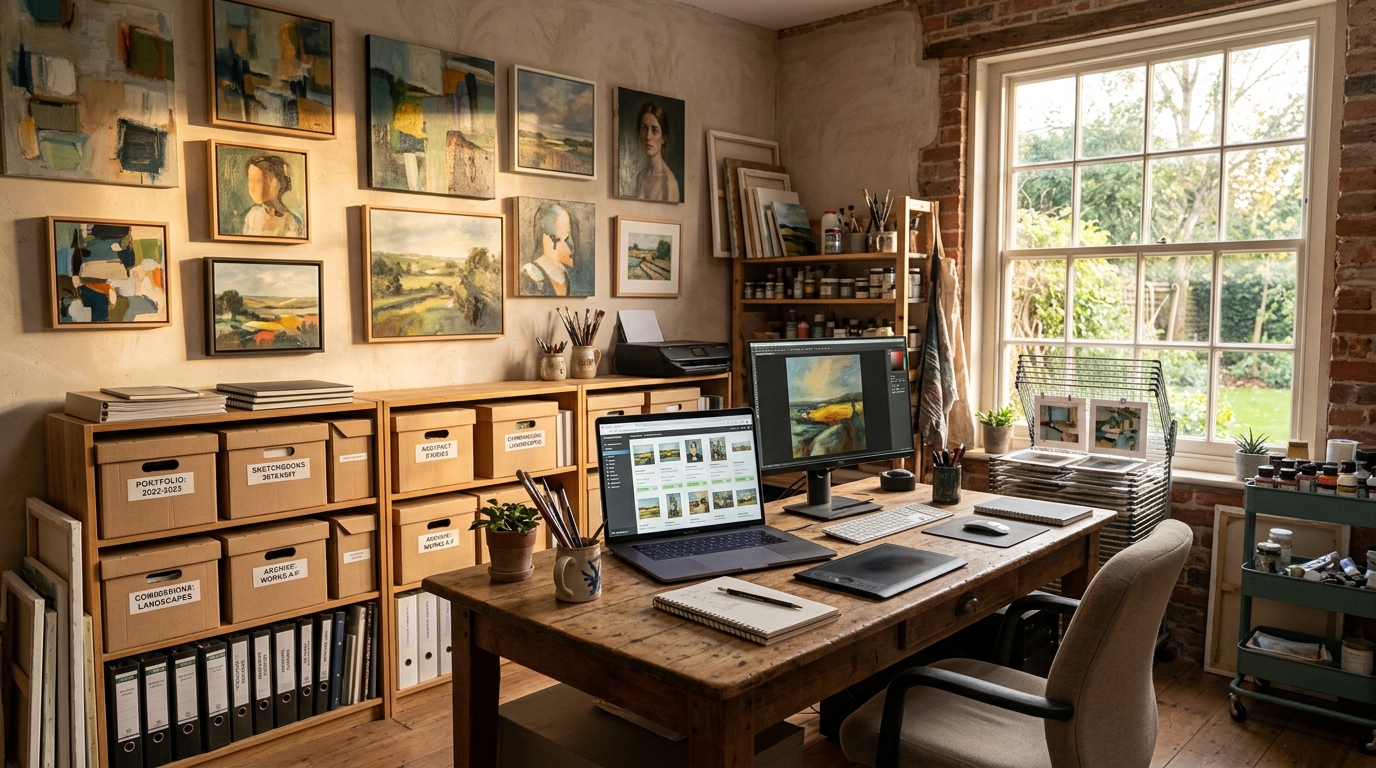
A complete archive with dated photographs of the creation process of each work is your insurance. In the case of the purchase of paintings and any disputes about authorship, archival materials become the main proof. Save photos of works at different stages, sketches, drafts, and correspondence with models or customers.
Common Mistakes of Artists
Publishing Works Without Protection
Many artists upload images in maximum resolution without watermarks, hoping for the honesty of users. In the era of AI, this is a direct path to style copying.
Ignoring Legal Aspects
A common mistake is selling works without contracts and certificates. In case of a dispute or the need to confirm authorship, such an approach will turn into serious problems.
Underestimating the Risk of AI
Some artists believe that neural networks are a temporary trend that does not concern them. In practice, tens of thousands of works imitating the styles of real authors are already appearing today, which directly affects their sales.
Lack of Digital and Physical Documents
Without documentary confirmation, a work is worth significantly less. This is critical for the market of the purchase of antique paintings, but no less important for contemporary art.
FAQ: Frequently Asked Questions About Protecting Paintings from Copying
Is it possible to completely protect a painting from being copied by neural networks?
There is no complete protection from AI today, but the risks can be significantly reduced. Use special tools like Glaze and Nightshade, which "poison" the image for training models without changing it visually for humans. Publish works in medium resolution, add watermarks and signatures. For the segment of the purchase of paintings by contemporary artists, these measures are especially important — collectors carefully monitor how unique the author's style remains.
Is a certificate of authenticity needed for every painting or only for expensive ones?
It is advisable to issue a certificate for any work put up for sale. Even if it is an inexpensive work, the presence of a document increases buyer confidence and forms a professional reputation. In the case of painting purchase, documentation becomes a decisive argument when choosing between authors of similar levels. Without a certificate, you actually deprive the work of part of its market value — especially in the case of online sale and purchase of paintings, where the buyer cannot evaluate the work in person.
How to protect your artistic style legally?
Protecting the "style" itself is difficult — copyright protects specific works, not the manner of writing as a whole. However, a combination of recognizable elements (a characteristic signature, specific techniques, signature details) can become part of your brand. Register each work in copyright societies, use international registers such as WIPO, and arrange depositing. In the market of the purchase of painting works, an author with a documented portfolio inspires significantly more trust.
What to do if someone uses my style through AI for commercial gain?
First, record the fact of violation — take screenshots, save links, conduct a reverse image search. Then send a complaint to the platform where the copies are posted (most services respond to DMCA notifications). In case of serious violations, contact a lawyer specializing in copyright. For artists actively working in the market of painting purchase in Kyiv and Ukraine, it is recommended to cooperate with local copyright societies that help protect rights.
Does copyright protection affect the value of old and antique paintings?
Certainly. In the segment of the purchase of old paintings and purchase of antique paintings, provenance (history of ownership) and expert opinions play a primary role. Without a complete package of documents, the work can lose up to half of its market value. Modern technologies — blockchain registration, digital passports of works — are becoming the standard for the antique market as well, ensuring transparency of transactions and protection from counterfeits.
How to properly publish works on social networks so that they are not stolen?
Follow a few basic rules: use a resolution no higher than 1500 pixels on the long side, always add a watermark (semi-transparent, in the center or diagonal), indicate copyright in the description. It is useful to publish the process of creating the work — photos at different stages confirm authorship. For serious purchase and sale of paintings, you can send works in high resolution personally to interested collectors, with protection through NDA.
Does blockchain registration help in selling paintings online?
Yes, and this is becoming a new standard in the art market. Blockchain records the fact of the creation of the work with the exact date, which legally confirms the priority of authorship. In the case of online sale and purchase of paintings, the buyer can verify the authenticity through the digital passport of the work — this is especially appreciated by young collectors. For artists working in the market of the purchase of paintings in Ukraine and entering the international level, blockchain certification becomes an additional competitive advantage and simplifies international transactions.
Conclusion
Protecting an artistic style in the era of AI has ceased to be optional — this is a basic requirement for any serious artist. Without legal and technical protection, it is impossible to build a sustainable career and preserve the value of your works in the market.
Certificates of authenticity and expert opinions become key tools of trust in the purchase of paintings in Ukraine and abroad. They confirm the authenticity of the work, record authorship, and protect the interests of both the artist and the collector.
A modern artist must think more broadly than just a creator: they are simultaneously an author, lawyer, marketer, and manager of their own brand. Using an integrated approach — legal registration of rights, digital protection of images, development of a unique style, competent documentation — allows you to maintain confidence in your own uniqueness and calmly work in any conditions.
By protecting your works today, you are investing in their tomorrow's value and in the reputation of your name in the art market.
Call us: +380632478102.
Reliable packaging and international delivery of valuable items