


Which Paintings Require a Mandatory Expert Examination?
 Art DomDecember 19, 2024

Mandatory expert examination of a painting is a procedure in which the authenticity, authorship and artistic value of an artwork are assessed not at the owner's discretion but because the law requires it. In other words, it is a prerequisite for carrying out certain transactions with the painting.
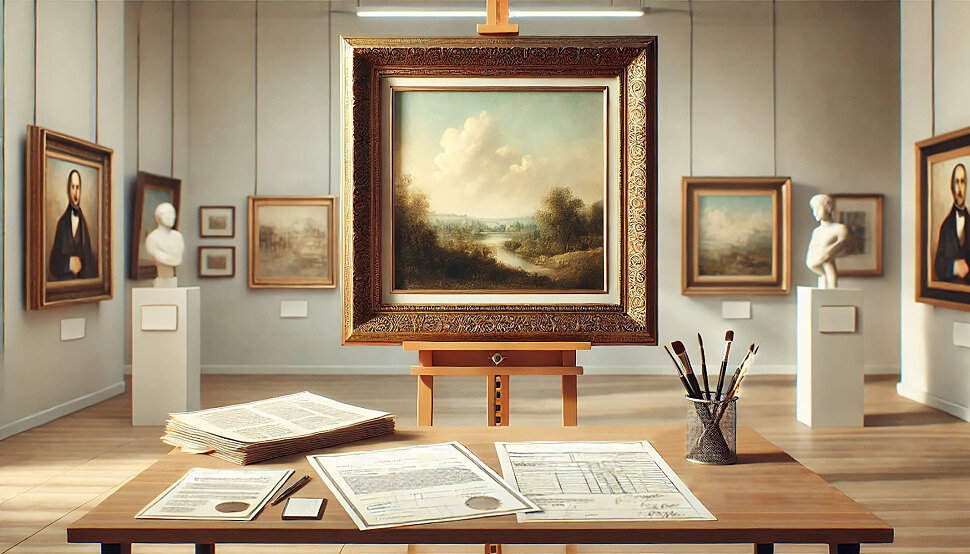
Why is mandatory expert examination needed?
Mandatory expert examination of paintings is needed for:
- Protecting cultural heritage: Preventing illicit trafficking in works of art, especially those of historical or cultural value.
- Determining the tax base: When high-value paintings are sold or inherited, an accurate assessment of their market price is required to calculate taxes.
- Obtaining permits: To take paintings abroad, you must submit an expert opinion confirming their authenticity and provenance.
- Settling disputes: If a dispute arises over the ownership or value of a painting, an expert opinion can serve as evidence in court.
Who carries out mandatory expert examination?
The right to carry out mandatory expert examination of paintings belongs to specialized organizations or experts with the appropriate qualifications and accreditation. The range of such organizations may differ between countries and regions, but they usually include:
- State museums and galleries: They have extensive experience in evaluating works of art and the resources needed to carry out an examination.
- Research institutes: They specialize in art history, painting techniques and the attribution of artworks.
- Private expert firms: They offer painting appraisal services and employ highly qualified staff.
Important: For a mandatory expert examination, you need to contact an organization that holds the appropriate license and accreditation. The opinion issued after such an examination is legally binding and can be used in court proceedings.
In the next part, we will look at the categories of paintings subject to mandatory expert examination and the procedure for carrying it out.
Categories of paintings subject to mandatory expert examination
Historical value
Paintings associated with important historical events or figures are often subject to mandatory expert examination. These may be portraits of famous historical figures, battle scenes depicting significant battles, or landscapes associated with particular historical periods.
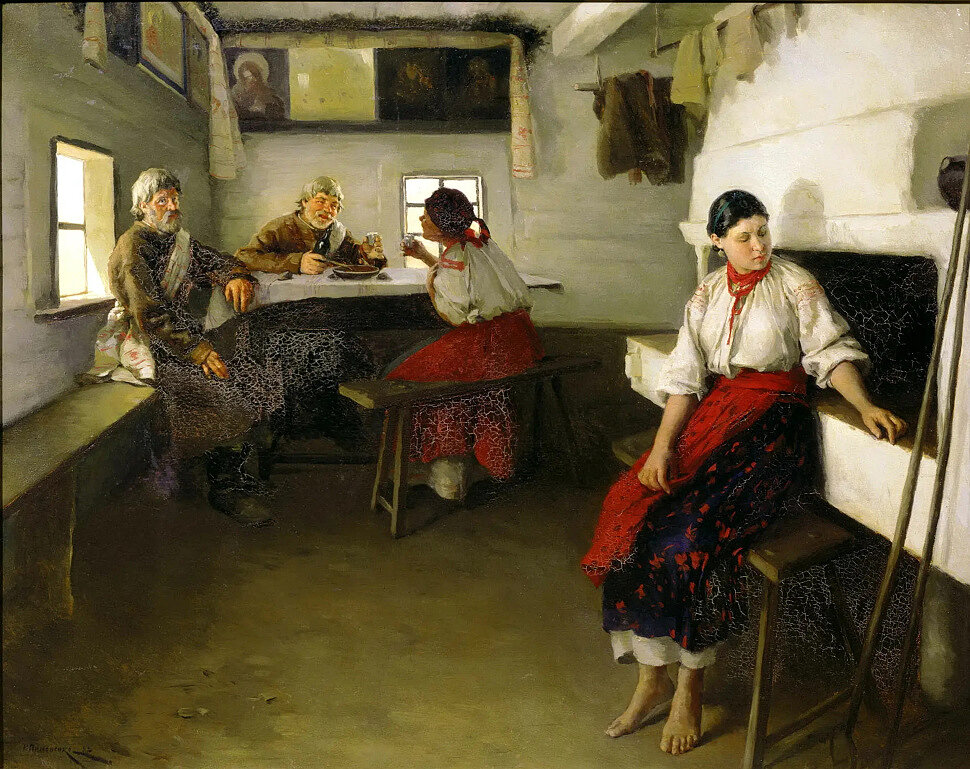
- Example: a genre painting by the great Ukrainian artist Mykola Pymonenko.
- Archaeological finds: Paintings discovered during archaeological excavations.
- Works of art created during periods of historical upheaval: For example, paintings created during wars or revolutions.
- Paintings associated with prominent political figures or events.
- Works of art with unique technical characteristics or stylistic features.
- Age of the painting: The older the painting, the more likely it is to be subject to mandatory expert examination.
- Authorship: Works by famous artists, especially those who died more than 70 years ago, often require an expert opinion.
- Historical and cultural value: Paintings associated with important historical events or representing cultural heritage are subject to mandatory expert examination.
- Value: Expensive paintings generally require a mandatory expert examination to determine their market value and for tax purposes.
- Application for an expert examination: The application states information about the owner of the painting, its provenance, the purpose of the examination and contact details.
- Proof of ownership: This may be a purchase agreement, a certificate of inheritance or another document confirming your right to own the painting.
- Photographs of the painting: Several high-quality photographs of the painting taken from different angles.
- Additional information: Any additional information that may help the expert in the research (for example, the history of the painting or previous examinations).
- Receipt and registration of the application: Once the application and the required documents have been submitted, the painting is registered with the expert organization.
- Visual inspection: The expert carefully inspects the painting, studying its technique, materials, state of preservation and other characteristics.
- Art-historical research: The expert studies the history of the painting's creation and the artist's biography, and compares it with the artist's other known works.
- Technical analysis: If necessary, additional studies may be carried out, such as X-ray imaging, ultraviolet and infrared photography, and spectral analysis.
- Drawing up the expert opinion: Based on the research, the expert prepares an opinion stating the painting's authenticity, authorship, date of creation, artistic value and market value.
- Complexity of the work: The more complex the painting, the more time its study will take.
- Need for additional studies: If the examination requires additional analyses, this may extend the timeframe.
- Workload of the expert organization: If the expert organization has a large volume of work, the examination may take longer.
- Complexity of the work: The more complex the painting, the higher the cost of the examination.
- Need for additional studies: Additional analyses increase the cost of the examination.
- Reputation of the expert organization: Experts with a strong reputation usually charge higher fees for their services.
- Urgency: If you need an expert opinion as quickly as possible, the cost of the examination may be higher.
- Selling the painting
- Inheritance
- Insurance
- Export abroad
- Settling disputes
- Legal liability: The owner of the painting may face administrative or criminal liability for violating cultural heritage legislation. Fines can be substantial, especially when works of high artistic value are involved.
- Restrictions on the right to dispose of the painting: Without an expert opinion, the right to sell, donate or export the painting may be restricted.
- Difficulties with inheritance: If the painting is part of an estate, the lack of an expert opinion may complicate the registration of inheritance rights.
- Loss of insurance coverage: If the painting is damaged or lost, the insurance company may refuse to pay compensation if no expert opinion was obtained.
- Damage to reputation: If an artwork is found to have been illegally traded, the owner's reputation may be seriously damaged.
- Harm to cultural heritage: Illicit trafficking in works of art can lead to the loss of cultural heritage and make it harder to study.
- Protecting cultural heritage: An examination establishes the authenticity and authorship of a work of art, which helps prevent the circulation of forgeries.
- Determining market value: An expert opinion establishes the real value of a painting, which is important for purchase and sale transactions, inheritance and other operations.
- Promoting cultural exchange: Expert examination makes it easier to legalize works of art and promotes cultural exchange between countries.
Cultural heritage
Works of art that reflect national or cultural characteristics also require mandatory expert examination. These may be folk paintings, icons, and works of decorative and applied art associated with particular regions or ethnic groups.
Example: Paintings of national cultural significance, such as works by Kateryna Bilokur, Maria Prymachenko and others.

Religious subjects
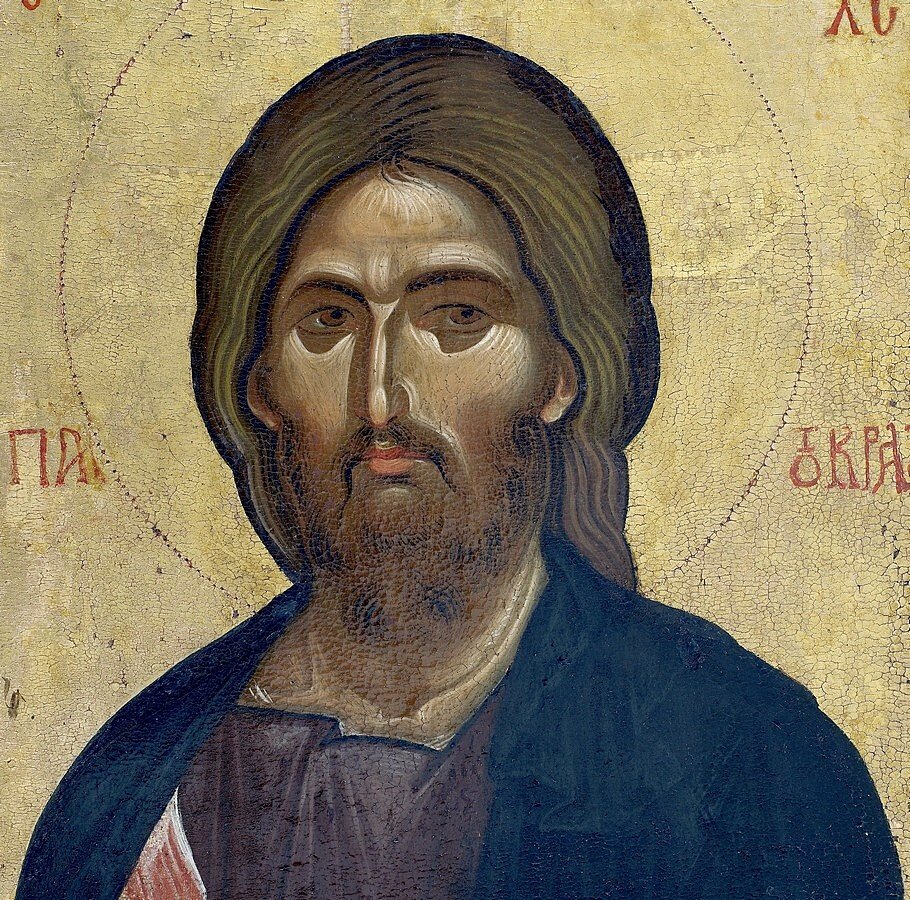
Icons and other religious works of art often have high cultural and historical value, so their circulation is strictly regulated by law. An expert examination of such works makes it possible to establish their authenticity and determine their cultural significance.
Example: Byzantine icon of Christ Pantocrator
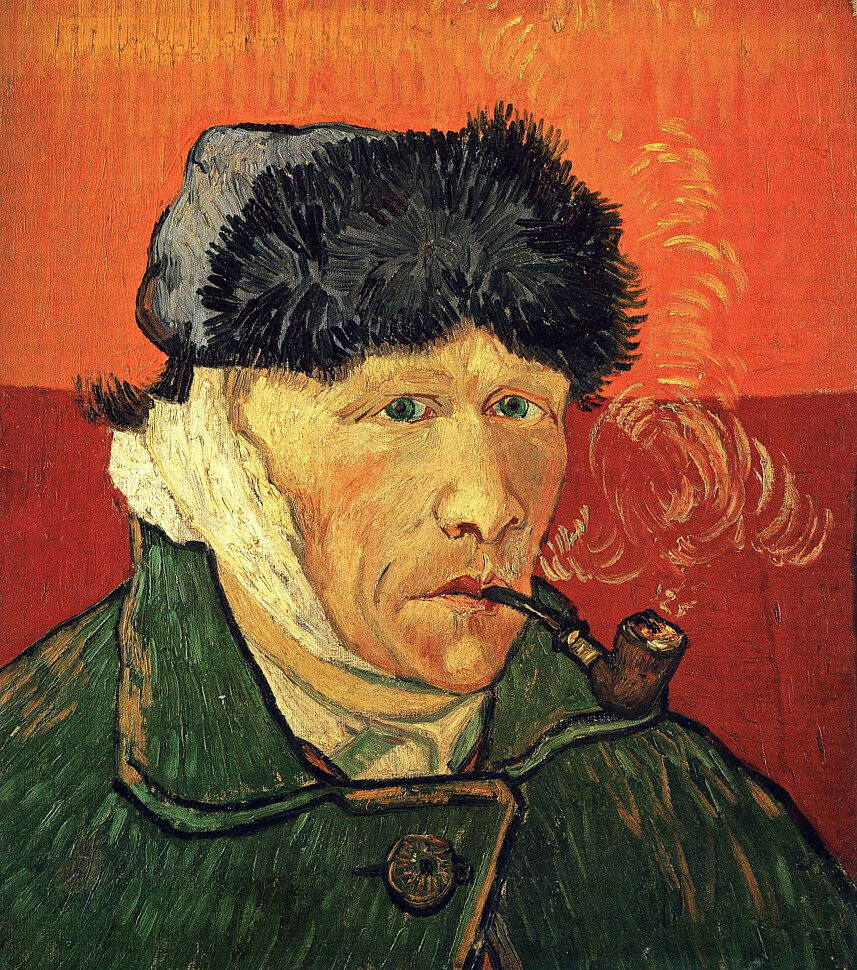
Works by famous artists
Works by acknowledged masters of painting, especially those that are national treasures, are subject to mandatory expert examination. This is necessary to prevent the circulation of forgeries and to preserve cultural heritage.
Example: Vincent van Gogh's "Self-Portrait".
Other categories of paintings subject to mandatory expert examination
In addition to the categories listed above, other types of paintings may also be subject to mandatory expert examination, depending on the laws of a particular country. These categories may include:
Factors that determine whether a mandatory expert examination is needed:
Important: The list of paintings subject to mandatory expert examination may change as legislation changes. Therefore, before carrying out any transaction with a work of art, it is advisable to consult a lawyer or an art expert.
Procedure for mandatory expert examination of paintings
Documents required for the examination
The list of documents required for a mandatory expert examination may vary depending on the requirements of the particular expert organization and the country's legislation. As a rule, however, you will need to submit the following set of documents:
Stages of the examination
The expert examination of a painting involves several stages:
How long the examination takes
The duration of the examination may vary depending on the complexity of the work and the workload of the expert organization. On average, an examination can take anywhere from a few weeks to several months.
The duration of the examination may be affected by the following factors:
Cost of the examination
The cost of the examination depends on several factors:
Important: The cost of an expert examination can vary considerably depending on the specific situation. To get accurate information about the cost of examining your painting, it is advisable to contact several expert organizations and compare their offers.
The expert opinion is an official document that can be used for various purposes, such as:
Consequences of failing to carry out a mandatory expert examination of paintings
Failure to comply with legal requirements and refusal to carry out a mandatory expert examination of paintings can lead to serious consequences, both for the owner of the artwork and for the state.
Possible consequences:
Why is it so important to carry out a mandatory expert examination?
Conclusion
A mandatory expert examination of paintings is not just a formality but a necessary condition for protecting cultural heritage and ensuring that works of art are traded lawfully. Failure to comply with the law in this area can lead to serious consequences, both for the owner of the painting and for society as a whole.
Want to learn more about our services? Contact us!
Call us at +38 063 247 8102
Or message us on Telegram, Viber, or WhatsApp
Our website: artdom.com.ua