Why a Small Study Can Sometimes Be Worth More Than a Large Finished Painting
 Art DomNovember 9, 2026


Imagine two works by the same artist. The first is a small study measuring 20 × 30 cm, completed in just a few hours. The second is a finished painting measuring 100 × 150 cm, which took the artist several weeks to complete. Logically, the larger painting should be more expensive. However, in practice, a small study can sometimes be valued significantly higher. This situation may surprise art owners who are planning to sell a painting or determine the value of their collection. Why are collectors willing to pay more for a smaller work when it required less time and fewer materials to create?
How Does a Study Differ from a Finished Painting?
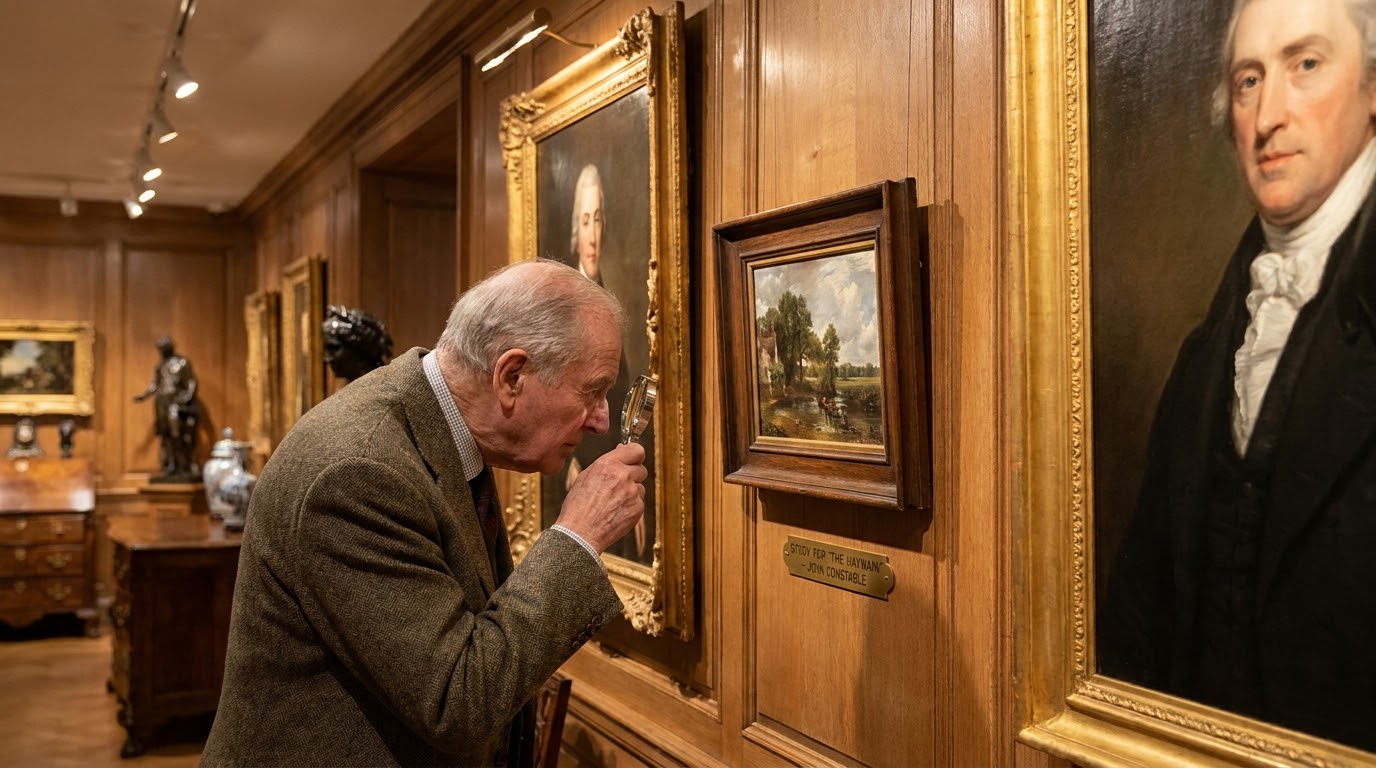
A study is often considered a preparatory work created before the artist begins a larger painting. However, throughout art history, small studies have frequently become independent works of art in their own right.
Why Do Artists Create Studies and Sketches?
Artists use studies to explore light, color, composition, and the characteristics of their subjects. For example, before creating a large landscape painting, an artist may produce several smaller studies to capture the lighting at different times of day.
Studies also allow artists to experiment with color combinations, the arrangement of objects, and painting techniques. Some are completed in a single session, while others require more extensive work.
Why Can a Small Work Have Independent Artistic Value?
A study is not necessarily an unfinished painting. Sometimes an artist deliberately chooses a small format to preserve the spontaneity and immediacy of an impression.
Such works may feature expressive brushstrokes, interesting compositions, and unusual color combinations. Collectors value them as independent works of art, even if the artist never created a larger painting based on them.
Why Doesn't the Size of a Painting Always Determine Its Value?
A common misconception is that the value of a painting is directly related to the size of its canvas. In reality, the art market is much more complicated.
What Are Collectors Actually Paying For?
When purchasing a work of art, collectors consider its authorship, artistic quality, rarity, provenance, and demand among other collectors.
For example, a small study by a recognized Ukrainian artist may be worth significantly more than a large landscape painting by an unknown painter.
What matters to buyers is not the amount of paint used, but the significance of a particular work within the artist's career and its position in the art market.
Why Isn't a Large Painting Necessarily More Valuable Than a Small Study?
Creating a large painting may indeed require more time and materials. However, these expenses do not directly determine its market value.
A smaller work may sometimes be more expressive, rarer, or more representative of the artist's individual style.
That is why specialists involved in art appraisal and buying paintings pay particular attention to the artistic characteristics of a work rather than simply its dimensions.
What Makes a Small Study Particularly Valuable?
Several factors can make a small work especially valuable to collectors.
Rare Works by Famous Artists
Small studies by recognized masters are sometimes much rarer on the market than their finished paintings.
Some artists created these works exclusively for themselves and rarely sold them during their lifetimes. When such a study becomes available for purchase, it may attract considerable attention from collectors.
However, rarity alone does not guarantee a high price. The work must also have artistic significance and verified authorship.
Studies Connected to Famous Paintings
Preparatory studies associated with well-known works of art can be particularly valuable.
For example, if a large historical painting belongs to a museum collection, a surviving study for that painting can reveal how the artist developed the composition, lighting, and individual details.
Such works are interesting not only to collectors but also to researchers studying the artist's creative process.
When a direct connection to a famous painting is confirmed, a small study may receive a significantly higher valuation.
Spontaneity and the Characteristics of an Artist's Style
Some collectors particularly appreciate studies for their lively, spontaneous execution.
Unlike a carefully developed large painting, a small study may preserve loose brushstrokes, unexpected color combinations, and the artist's initial impression of the subject.
Sometimes these works provide a better understanding of the artist's individual technique. Therefore, when considering a painting buyout service, a small format should not automatically be viewed as an indication of low value.
Center for packaging valuable and fragile items in Ukraine

Why Can Works by the Same Artist Differ Greatly in Price?
Two paintings by the same artist can differ in value several times over, even when both are in good condition.
How Does an Artist's Creative Period Affect the Value of a Work?
The careers of many artists can be divided into periods distinguished by different styles, subjects, and techniques.
For example, a study created during the most famous period of an artist's career may be more desirable than a large painting produced later in life.
This is especially noticeable when collectors are interested in a particular artistic movement or stage of the artist's creative development.
Why Can a Rare Subject Be More Valuable Than a Familiar Composition?
If an artist primarily painted cityscapes, a small portrait or unusual still life may attract additional attention.
However, rare subjects are not the only works that collectors value. Sometimes the most sought-after paintings are those that best demonstrate the artist's recognizable style.
Therefore, before deciding to sell a painting, it is important to determine how typical or unusual the work is within the artist's overall body of work.
How Do Provenance and Condition Affect Appraisal?
Provenance - the history of a work's origin and ownership - plays an important role in determining its value.
Old exhibition labels, catalogs, archival photographs, and documents can help confirm the authorship and history of a study.
The condition of the painting is equally important. Damage to the support, loss of paint, and unsuccessful restoration can significantly reduce the value of even a rare work.
For this reason, old studies should be stored carefully, and owners should avoid attempting to repair damage themselves.
How Do Specialists Determine the Value of Small Studies?
A professional art appraisal helps establish whether a small work has artistic and collectible value.
What Details Do Experts Examine During a Professional Appraisal?
Specialists examine the presumed authorship, age, painting technique, support material, and condition of the work.
They also study signatures, inscriptions on the reverse, old labels, and distinctive characteristics of the artist's technique.
For example, a study may be painted on cardboard, a wooden panel, or a small canvas. The material itself does not determine the price, but it can provide important information about the work's origin.
Why Can Similar Studies Sell for Different Prices?
Two visually similar studies may be listed online at completely different prices.
The difference may be related to authorship, condition, rarity, or provenance.
It is also important to distinguish between an asking price and an actual selling price. A work of art may remain listed at a particular price for years without finding a buyer.
Therefore, when determining value, it is better to consider verified sales results rather than relying exclusively on current listings.
Can a Study Be Appraised from Photographs?
High-quality photographs allow specialists to conduct a preliminary examination. They can study the signature, painting technique, support material, and visible damage.
However, photographs do not always make it possible to confirm authenticity or accurately assess the condition of the paint layer.
If a work is believed to have been created by a famous artist, an in-person examination and additional expert analysis may be necessary.
How to Sell a Study or Small Painting at a Good Price
Many owners underestimate small artworks, considering them secondary or less significant pieces. However, some small paintings are rare and valuable.
Why Is It Important to Determine the Real Value Before Selling?
A preliminary appraisal can help prevent a potentially valuable work from being sold for significantly less than its market value.
Particular attention should be paid to old studies, works with unfamiliar signatures, and paintings inherited from family members.
Even if a painting looks modest or unremarkable, it may still be of considerable interest to collectors.
What Options Are Available for Selling Small Paintings?
Owners can choose from several methods of selling their artwork:
- Art galleries - help find buyers but usually charge a commission.
- Auctions - suitable for works that may attract interest from several collectors.
- Private collectors - may purchase works by particular artists or from specific artistic movements.
- Specialized companies - offer painting purchasing services and direct painting buyouts.
The best option depends on the artistic value of the work, market demand, and how quickly the owner wants to complete the sale.
How to Sell a Painting When Its Artist and History Are Unknown
If you are unsure how to sell a painting without confirmed authorship, start by gathering all available information.
Prepare photographs of the front and back, close-up images of the signature, dimensions, details of the painting technique, and any existing documents.
Even old inscriptions or labels on the reverse can be useful during an examination.
The absence of a signature does not mean that a work has no value. In some cases, specialists can identify a possible artist by examining the painting technique and other distinctive features.
Where Can You Appraise and Sell a Study in Ukraine?
In Ukraine, owners of small paintings can contact specialists who provide art appraisal and artwork research services.
ArtDom helps with the attribution of paintings and the identification of their artists. If a small study has no signature or supporting documents, a preliminary examination of its characteristics can help determine the next steps for appraisal and sale.
For an initial inquiry, it is advisable to prepare photographs of the artwork and provide its dimensions, technique, and any known information about its provenance. Additional expert examination may be required in certain cases.
People searching for painting buyout in Kyiv or painting purchasing services in Kyiv can find various companies and potential buyers. However, when choosing a buyer, it is important to consider not only the amount offered but also their experience working with fine art.
If you are planning to sell a painting, you should not judge a small study solely by its size. Sometimes a preliminary investigation into the authorship and history of a work reveals circumstances that significantly affect its value. This is relevant to art owners not only in Kyiv but also in other cities across Ukraine.
Frequently Asked Questions (FAQ)
Can a Small Study Be Worth More Than a Large Painting by a Famous Artist?
Yes. The value of a work depends not only on its size but also on the artist's creative period, rarity of the subject, artistic significance, and condition. For example, a small study connected to a famous museum painting may be worth more than a large work by the same artist. Therefore, before deciding to sell a painting, it is important to evaluate its individual characteristics.
What Is the Difference Between a Study, a Preliminary Sketch, and a Quick Sketch?
A study is usually created to explore a subject, lighting, color, or individual elements of a composition. A preliminary sketch helps develop the concept of a future work, while a quick sketch captures basic shapes and proportions in a short amount of time. At the same time, a study can be a complete, independent work of art that attracts the interest of collectors.
How Can You Determine Whether an Old Study Is a Valuable Work of Art?
A preliminary appraisal should examine the presumed authorship, painting technique, age, condition, and provenance of the work. Specialists also compare it with known paintings by the artist and verified sales results. If the owner is considering selling paintings to a professional buyer or through a gallery, a preliminary appraisal can help establish a reasonable price range.
Can You Sell a Study Without the Artist's Signature?
Yes, the absence of a signature does not prevent a painting from being sold. If you do not know how to sell a painting by an unknown artist, prepare photographs of the front and back, its dimensions, and any information about its origin. Expert examination may help establish possible authorship. A painting buyout without a signature may also be possible, but buyer interest and the amount offered will depend on the characteristics of the work.
Does the Absence of a Frame Affect the Value of a Small Study?
Usually, the frame is not the main factor determining a painting's value. Collectors place much greater importance on authorship, artistic quality, and condition. However, an original historical frame may sometimes have its own value or help researchers establish the provenance of the work. Therefore, it is advisable to preserve old framing until the painting has been appraised.
Where Can You Arrange an Art Appraisal and Painting Buyout in Kyiv?
Searching for painting buyout in Kyiv or painting purchasing services in Kyiv can help you find specialized companies and potential buyers. When choosing a service, consider its experience with fine art and the terms of the transaction. ArtDom provides assistance with painting attribution and identifying the artist of a study. A preliminary examination can help you better understand the value of the work before selling it.
Conclusion
The artistic and market value of a work of art cannot be measured in square centimeters of canvas. A small study may turn out to be a rare work by a famous master, preparatory material for a celebrated painting, or an outstanding example of a particular period in the artist's career.
That is why a small artwork can sometimes be worth significantly more than a large finished painting. Before selling a study, it is advisable to investigate its provenance, condition, and presumed authorship. A professional appraisal can help you better understand the work's true value and avoid making a hasty decision.
Call us: +380632478102.
Reliable packaging and international delivery of valuable items