



How the Condition of a Painting Affects Its Value When Selling
 Art DomSeptember 13, 2026
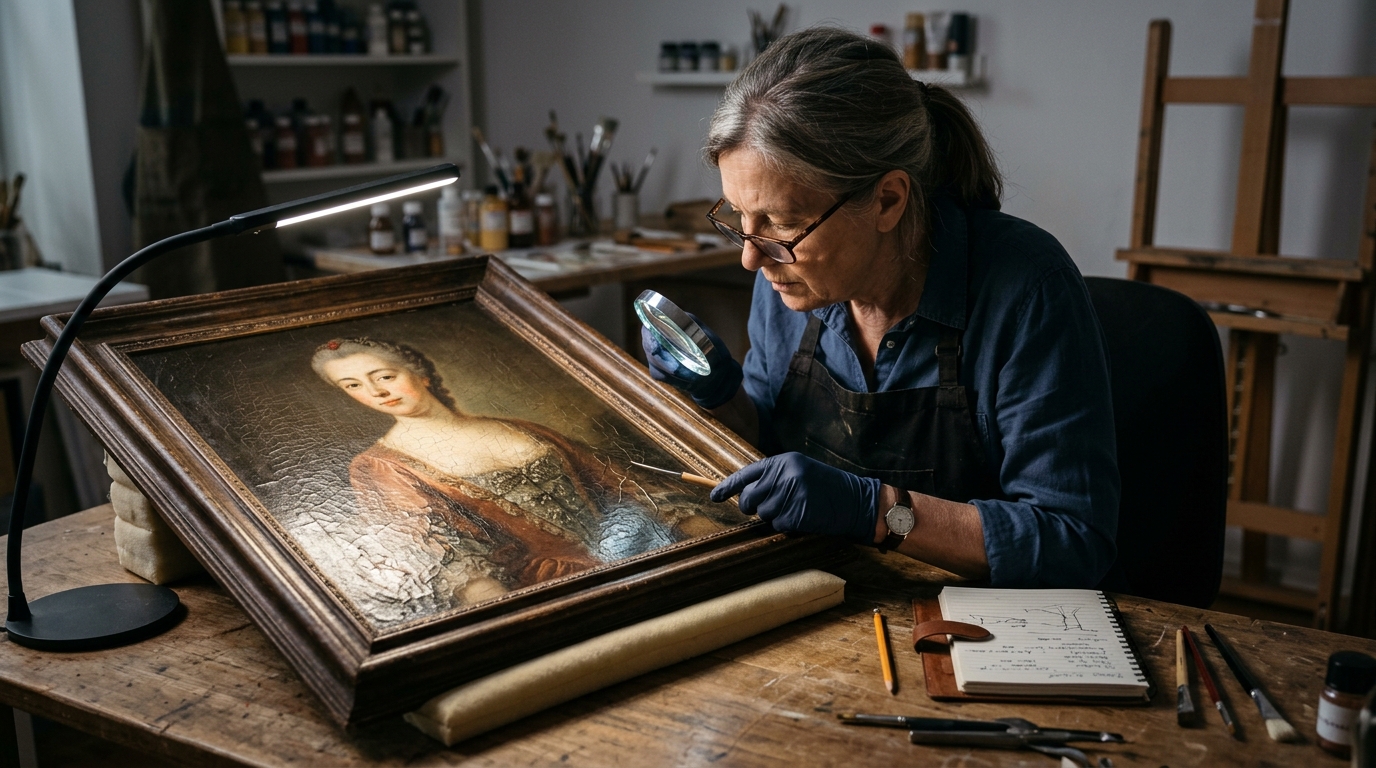
The condition of an artwork is one of the key factors considered during an appraisal. Even when it is a work by a well-known artist, damage can significantly reduce buyer interest and the final selling price. That is why, in the field of painting purchase and paintings purchase, it is important to consider not only the artist’s name, the age of the work, and its subject, but also the actual condition of the canvas, paint layer, frame, and stretcher.
Why the Condition of a Painting Is So Important for Valuation
The condition directly affects how much money, time, and effort a new owner may need to invest after the purchase.
How Preservation Affects Buyer Interest
A well-preserved artwork usually inspires more confidence. The buyer understands that the painting will not require urgent restoration, canvas reinforcement, or treatment for damage caused by improper storage.
This is particularly important in the fine art purchase segment, where the visual condition of the artwork is often one of the first criteria considered by a potential buyer.
Why the Same Artwork Can Have a Different Value Depending on Its Condition
Two paintings by the same artist, from a similar period and of a similar size, can differ significantly in price.
If one has survived almost without serious defects, while the other has tears, flaking paint, or traces of poor-quality repairs, a buyer will almost certainly offer less for the second work.
Which Types of Damage Reduce Value the Most
Not all defects are equally serious. Some changes are a natural part of aging, while others can seriously threaten the preservation of an artwork.
Cracks, Flaking, and Detachment of the Paint Layer
A fine network of cracks on an old painting may be a natural result of aging.
The situation becomes much more serious when the paint begins to lift or flake away. This means that deterioration may continue unless the artwork receives professional conservation treatment.
In the field of antique painting purchase, such defects are always taken into account when determining the price.
Tears, Punctures, and Canvas Deformation
A tear in the canvas is a serious form of damage, especially if it passes through an important part of the image.
Punctures, creases, sagging, and severe deformation also require attention. Repairing such defects can be technically difficult and expensive.
Signs of Moisture, Mold, and Temperature Changes
Moisture is dangerous not only because it leaves stains. It can cause deformation of the support, deterioration of the ground layer, mold growth, and weakening of the paint layer.
Particular caution is necessary with paintings that have been stored for a long time in basements, attics, or close to heating appliances.
How the Age of a Painting Is Related to Its Condition
An old artwork will almost always show certain signs of time, and this is completely normal.
Natural Aging and Damage Are Not the Same Thing
Darkened varnish, minor surface changes, or moderate craquelure may be natural signs of age.
Tears, active flaking, mold, and rough overpainting, however, are already considered actual damage.
Why an Old Painting Does Not Have to Look “Like New”
In an old painting purchase, an overly perfect condition can sometimes raise questions as well.
An old artwork may naturally show changes in its materials, so an attempt to completely remove every sign of age can damage its historical character.
When Signs of Age May Be Considered Acceptable
Whether certain signs of age are acceptable depends on the age, technique, and nature of the artwork.
Minor abrasions or natural changes in the varnish may be acceptable if they do not interfere with the perception of the painting and do not threaten its further preservation.
Does the Frame Affect the Value of a Painting?
The frame is usually not the main factor determining value, but in some cases it can be very important.
When an Original Frame Has Value of Its Own
An artist-designed, historical, or specially made frame created for a particular artwork may form part of the work itself.
This is especially important for old paintings and collectible works.
Can a Damaged Frame Reduce the Overall Appeal of the Artwork?
Yes. Broken corners, missing decorative elements, heavy wear, or deformation can make a painting visually less attractive.
However, this does not mean that the frame should immediately be replaced.
Should the Frame Be Replaced Before Selling?
Not always, and certainly not without prior consultation.
A new frame may look neater, but it may be better to preserve an old original frame. In the field of paintings purchase, specialists usually prefer to evaluate the artwork in the condition in which it currently exists.
How Previous Restoration Affects the Price
The fact that a painting has been restored does not automatically reduce its value.
Professional and Non-Professional Restoration
High-quality professional restoration can stabilize the condition of a painting and improve its appearance.
Unprofessional intervention, on the other hand, often creates additional problems: unsuitable paints, crude patches, or excessive cleaning.
Why Excessive Intervention Can Reduce Value
If a restorer has replaced too much of the original paint layer, altered details of the image, or aggressively cleaned the surface, the originality of the artwork may be compromised.
Collectors generally value the preservation of original material created by the artist.
How Traces of Old Restoration Are Detected
An experienced specialist pays attention to differences in texture and color, localized overpainting, patches on the reverse, and other signs of intervention.
If necessary, additional examination methods may also be used.
Should a Painting Be Restored Before Selling?
Trying to make a painting look perfect before putting it up for sale may seem logical, but it is not always financially justified.
When Restoration Can Really Make the Artwork More Attractive
If a painting is valuable and the defects interfere with its appearance or threaten its preservation, professional restoration may be beneficial.
This is particularly relevant when the restoration is limited and does not affect a significant part of the original image.
When Restoration Costs May Not Pay Off
For an inexpensive work or a painting by a little-known artist, restoration expenses may sometimes be comparable to the value of the artwork itself.
In such cases, the seller may not recover the money invested in restoration.
Why It Is Better to Get an Appraisal First
It is more sensible to show the artwork to a specialist first and only then decide whether restoration is worthwhile.
If you are interested in painting purchase Kyiv or selling an artwork in another city, a preliminary appraisal based on photographs can help determine whether investing in restoration makes financial sense.
Center for packaging valuable and fragile items in Ukraine
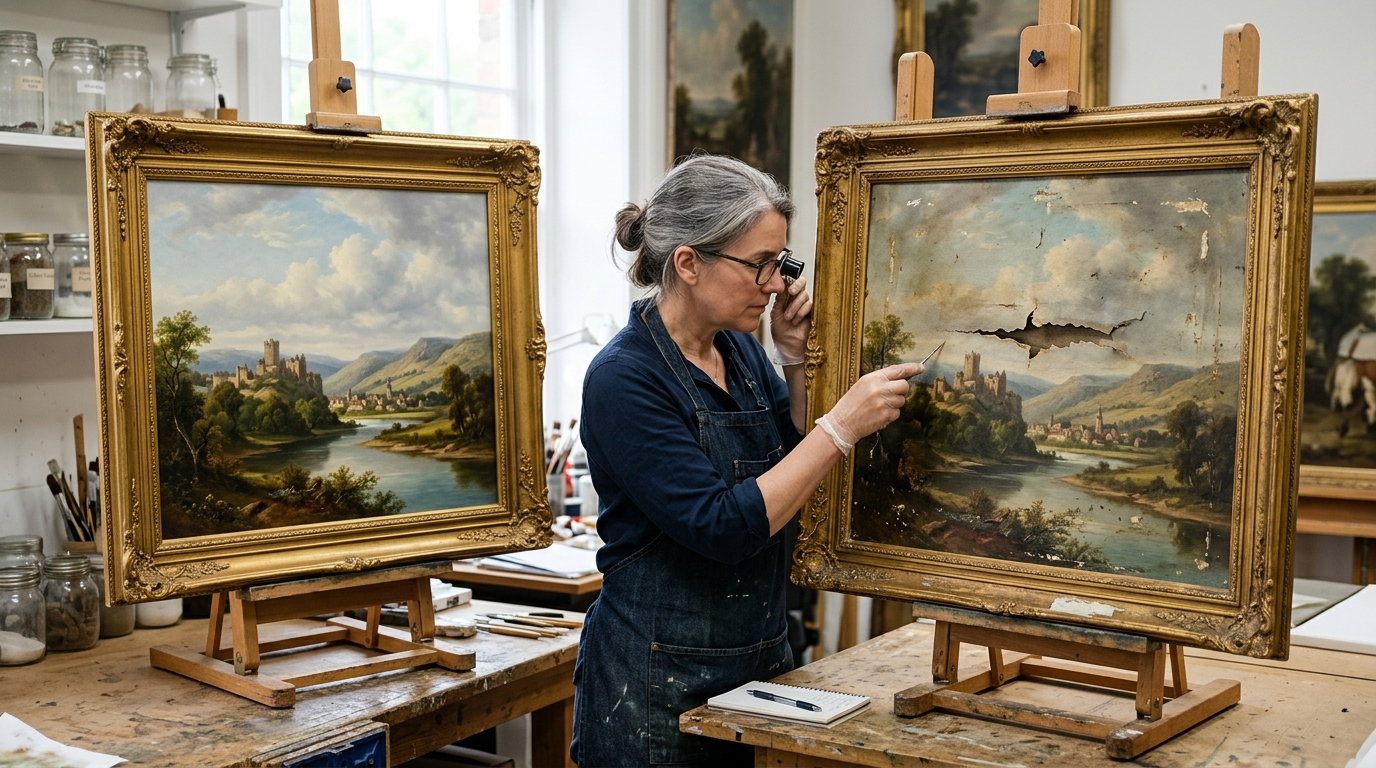
Which Defects Are Especially Important When Buying Old and Antique Paintings?
Older works require a more careful examination because they may have been repaired several times over the decades.
Condition of the Canvas and Stretcher
The canvas should be checked for tears, patches, severe sagging, and deformation.
An old stretcher may also have been damaged by insects or moisture.
Darkening of Varnish and Changes in Color
Over time, varnish can yellow and darken, making the image appear less vivid and less contrasting.
This does not always mean that the painting itself is damaged, but it should still be considered during appraisal.
Losses, Overpainting, and Later Interventions
Large areas of later-added paint can significantly reduce the collectible appeal of an artwork.
For antique painting purchase and old paintings, it is important to understand how much of the original paint layer created by the artist has survived.
How Condition Affects the Purchase of Paintings by Contemporary Artists
It is a mistake to assume that a contemporary artwork must automatically be in perfect condition.
Why Even a New Artwork May Have Storage Defects
A painting may have been stored close to a window, in a room with excessive humidity, or leaning against other objects.
As a result, abrasions, deformation, and surface damage may appear.
Damage During Transportation and Improper Packaging
Contemporary artworks are often damaged during delivery.
Poor fixation, pressure on the canvas, or lack of corner protection can damage even a brand-new artwork. Therefore, the purchase of paintings by contemporary artists should include a condition check both before shipment and after delivery.
How Important Condition Is for Future Resale
If a collector plans to sell the artwork in the future, its condition will be very important.
Documented evidence that the painting has remained free from damage and has been stored properly increases the confidence of the next buyer.
How the Condition of a Painting Is Evaluated Before Sale
Preliminary information can be obtained remotely, but photographs cannot fully replace a professional in-person examination.
What Can Be Determined from Photographs
High-quality photographs can usually reveal major tears, deformation, stains, losses of the paint layer, and the condition of the frame.
For painting purchase Ukraine, remote appraisal is often the first stage of communication between the owner and a potential buyer or specialist.
Why an In-Person Examination Is Preferable for an Accurate Appraisal
Some defects become visible only under certain lighting conditions or when viewed from a particular angle.
It is also difficult to evaluate the tension of the canvas, the character of the surface, and traces of previous restoration based only on photographs.
Which Areas of the Painting Are Checked Especially Carefully
Specialists examine the edges of the canvas, corners, signature, areas near the stretcher, cracked sections, and places where later overpainting may be present.
The reverse side of the painting is also always examined.
How to Prepare a Painting for Sale Without Risking Further Damage
The main rule is not to try to “improve” the artwork yourself immediately before an appraisal.
Why You Should Not Wash or Clean a Painting Yourself
Water, alcohol, household cleaning products, and even vigorous wiping can damage the varnish or paint layer.
Such intervention can reduce the value of the artwork more significantly than the original dirt or surface contamination.
How to Store the Artwork Properly Before an Appraisal
It is better to keep the painting in a dry room with a stable temperature, away from direct sunlight, heating appliances, and excessive humidity.
Heavy objects should never be placed against or on the surface of the canvas.
Which Photographs to Take for a Preliminary Appraisal
You should take photographs of the entire painting, the reverse side, the signature, the frame, the stretcher, and all damaged areas.
These images help a specialist understand the condition of the artwork before conducting an in-person examination.
Why Condition Is Not the Only Factor Affecting Value
Even serious defects cannot be considered separately from the other characteristics of the artwork.
Authorship and the Artist’s Reputation
A damaged work by a famous artist may still be worth considerably more than a perfectly preserved painting by an unknown author.
That is why painting purchase always requires a comprehensive appraisal.
Rarity, Subject, and Period of Creation
A particularly rare work or a painting from an important period in the artist’s career may retain strong demand even if it has defects.
The subject of the work can also influence collector interest.
Provenance, Documents, and the History of the Painting
A documented history of ownership, participation in exhibitions, catalog records, and expert documentation can significantly affect the value of an artwork.
How Condition Affects Buying and Selling Paintings Online
In a remote transaction, both the seller and the buyer should carefully document the condition of the artwork.
Why It Is Important to Show All Defects Honestly
Trying to hide damage may lead to disputes after the painting has been delivered.
In buying and selling paintings, it is better to show all visible defects in advance and describe them in correspondence or transaction documents.
Which Photographs Should Be Requested Before the Transaction?
The buyer should ask for photographs taken in daylight and side lighting, a full view of the painting, the reverse, the edges, the signature, and close-up images of any problematic areas.
In buying and selling paintings online, this makes it easier to understand the actual condition of the artwork before payment.
How to Avoid Disputes After Delivery
Before packing, it is advisable to document the condition of the painting with photographs or video. The packaging should be designed to prevent pressure, impact, and friction against the surface. If the transaction involves a fine art purchase or painting purchase Ukraine, such materials are particularly useful in remote deals because they confirm the condition in which the artwork was handed over to the carrier.
FAQ
How Much Can the Condition of a Painting Affect Its Price?
The condition can significantly influence the value of an artwork. Tears in the canvas, losses in the paint layer, signs of moisture, and poor-quality restoration usually reduce the price. Therefore, in a painting purchase, it is important to evaluate not only the artist and the age of the work, but also its actual state of preservation.
Can a Damaged Painting Be Sold?
Yes. Even a work with defects may be of interest to collectors, especially if it was created by a well-known artist or belongs to a sought-after period. In the painting purchase market, works in very different conditions may be considered, but any damage will be taken into account during valuation.
Which Defects Are Particularly Important in Old Paintings?
For old artworks, the most critical issues include tears, punctures, flaking paint, mold, canvas deformation, and crude restoration interventions. During an old painting purchase, it is also important to inspect the stretcher, the reverse side, and the edges of the canvas.
Should a Painting Be Restored Before Selling?
Not always. It is better to obtain a professional appraisal first. Sometimes restoration costs may exceed the potential increase in the selling price. In an antique painting purchase, a collector may even prefer to see the work in its current condition and decide independently whether restoration is necessary.
Does Old Restoration Reduce the Value of a Painting?
It depends on the quality of the work. Professional restoration can stabilize an artwork, while crude overpainting, excessive cleaning, or the use of unsuitable materials can reduce its collectible value. Therefore, during a fine art purchase, previous restoration interventions should ideally be assessed separately.
Is the Condition of Contemporary Paintings Important?
Yes. The purchase of paintings by contemporary artists also requires careful inspection. Even a relatively new artwork may have been damaged by improper storage, transportation, excessive humidity, or pressure on the canvas.
Does a Damaged Frame Affect the Value?
The condition of the painting itself is usually more important, but an original historical or artist-designed frame may have value of its own. In the paintings purchase market, an old frame should not be replaced without consultation, especially if it is connected with the history of the artwork.
Can the Condition of a Painting Be Assessed from Photographs?
A preliminary assessment is possible. You will need photographs of the front and reverse, the signature, frame, stretcher, and all damaged areas. If you are interested in painting purchase Kyiv or a remote appraisal from another city, high-quality photographs can help a specialist identify the main defects before an in-person examination.
Why Should a Buyer Be Shown All Damage in Advance?
This helps avoid disputes after the transaction. In buying and selling paintings, it is better to disclose cracks, abrasions, restoration, stains, and other visible defects in advance and document them with photographs.
How Can You Check the Condition of a Painting When Buying Online?
Ask for photographs taken in good daylight and side lighting, close-ups of problematic areas, images of the reverse side, and the frame. In buying and selling paintings online, it is also advisable to save the description of the condition and the correspondence with the seller before payment.
Where Can the Condition of a Painting Be Preliminarily Assessed in Ukraine?
Today, an initial appraisal is often carried out remotely based on photographs. Therefore, painting purchase Ukraine is not limited to a single city: the owner can send information about the artwork to a specialist and, if necessary, arrange a subsequent in-person examination.
Is a Damaged Painting Always Inexpensive?
No. Condition is important, but it is not the only factor determining value. A work by a well-known artist may still have a high value despite damage due to its authorship, rarity, subject, period of creation, or documented provenance. For this reason, the final price should always be determined through a comprehensive appraisal.
Conclusion: How Much Can the Condition of a Painting Change Its Price?
The condition can significantly change the value of an artwork, especially when there are tears in the canvas, active flaking of the paint layer, signs of moisture, or unprofessional restoration.
However, a painting should never be valued solely on the basis of its defects. Authorship, rarity, period of creation, subject, provenance, and demand for the artist remain equally important factors. Therefore, before selling, it is better to obtain a professional appraisal first rather than attempting to clean or restore the artwork yourself.
Call us: +380632478102.
Reliable packaging and international delivery of valuable items