One Wrong Digit: How an Error in the UKT ZED Code Can Affect Parcel Delivery
 Art DomNovember 9, 2026

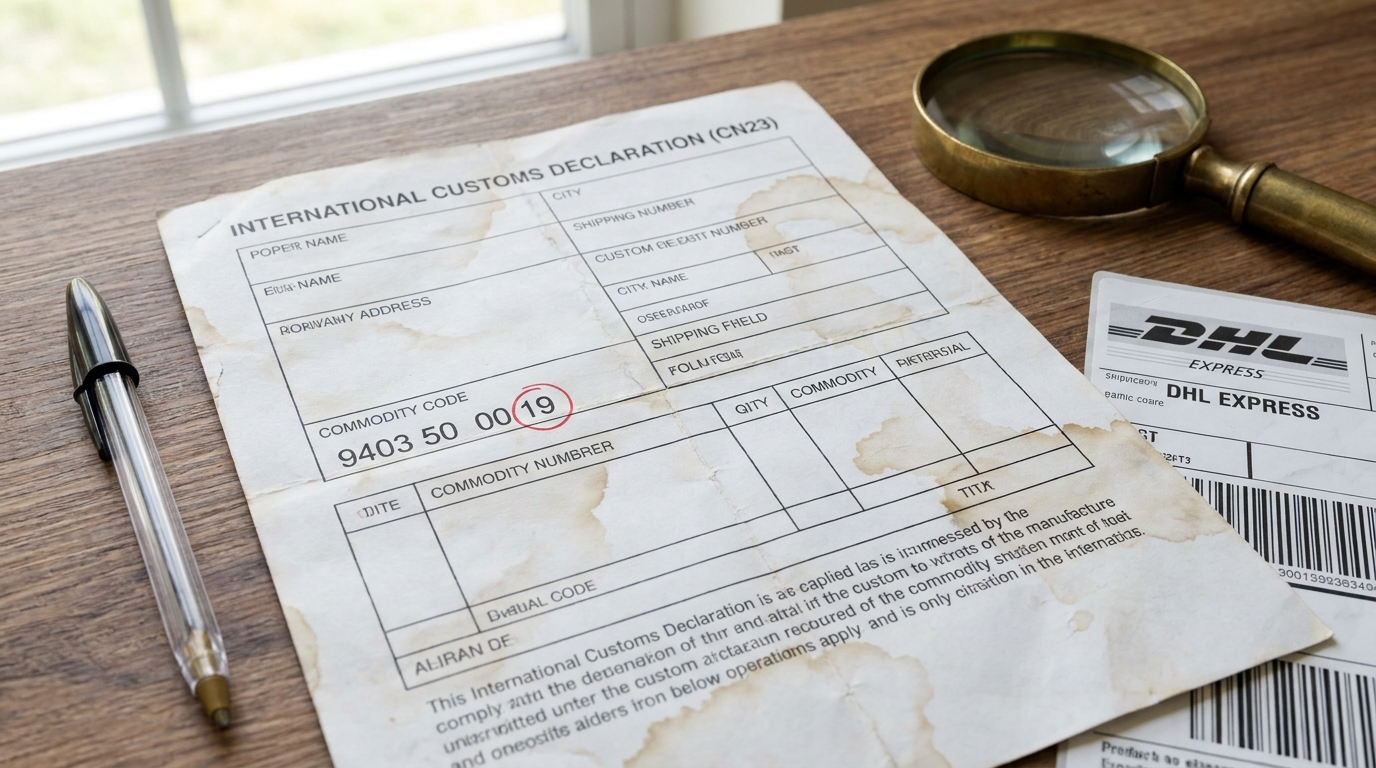
Imagine someone sending a painting abroad. They carefully pack it, enter the recipient's address correctly, and complete the customs declaration. The parcel is accepted for shipment, but questions about the documentation arise later. It turns out that the specified TN VED code contains an error in a single digit. As a result, the item may fall into a different product category or the code may not correspond to any category in the current classification system. Why can a few digits in shipping documents sometimes be just as important as the contents of the parcel?
Why Do International Parcels Need Commodity Codes?
Customs authorities handle enormous quantities of goods during international shipments. A standardized system of numerical codes is used to classify the contents of these shipments correctly.
What Can Customs Authorities Learn About a Product from Its Code?
A commodity code helps identify the category to which an item belongs, such as clothing, electronics, printed materials, works of art, or other goods.
This information is used for customs clearance, calculating duties and taxes, and applying the relevant regulations. However, a code does not replace a detailed description of the parcel's contents.
What Is the Difference Between an HS Code, UKT ZED, and TN VED?
Different names for commodity classification systems can appear in international shipping documents.
An HS code is an international product classification code based on the Harmonized System, which uses a six-digit classification structure.
UKT ZED is the Ukrainian Classification of Goods for Foreign Economic Activity, which is based on the Harmonized System.
TN VED is the name used for commodity nomenclatures in certain other countries. The term UKT VED is also sometimes encountered, although the official Ukrainian abbreviation is UKT ZED.
The first six digits generally correspond to the international system, while additional digits may differ between national classification systems.
Why Can One Incorrect Digit Change the Meaning of a Commodity Code?
A commodity code is not a random combination of numbers. It follows a structured classification system.
How Is a Commodity Code Structured, and What Do Its Different Parts Mean?
The structure of a commodity code is based on progressively more detailed classification:
- The first two digits identify the commodity chapter.
- The first four digits identify the heading.
- The first six digits identify the international subheading.
- Additional digits provide further classification at the national level.
For example, Chapter 97 covers works of art, collectors' pieces, and antiques. Within this chapter, separate headings cover original paintings, graphic works, and sculptures.
How Can a Small Error Turn One Product into Another on Paper?
If a sender accidentally changes one digit, the resulting combination may correspond to a different product category or become invalid.
An error in the first digits can change the general commodity chapter, while an incorrect digit toward the end may change the more detailed classification.
Why Isn't an Incorrect Code Always Detected When a Parcel Is Sent?
Accepting a parcel at a postal office and clearing it through customs are two different procedures.
A postal employee may check the packaging, delivery address, and presence of the required information. However, this does not mean that customs authorities have already confirmed the product classification.
As a result, some errors are discovered only during subsequent customs checks.
What Are the Most Common Mistakes When Choosing a TN VED Code?
Even careful senders can make mistakes, especially if they have little experience with international shipping.
Searching for a Code Based Only on the Product Name
One common mistake is trying to determine the correct category using only a general product name.
For example, the word "painting" may refer to an original work of art, a printed reproduction, or a decorative poster.
Therefore, a TN VED code must be selected based on the item's material, intended use, and manufacturing method.
Using Outdated Codes Found Online
Commodity classification systems are updated periodically. Some categories are modified or removed.
For this reason, TN VED codes found in old articles and reference materials should be checked against the current version of the relevant country's classification system.
Copying a Code from Another Country's Documents
Sometimes senders find a suitable code in a foreign online store or shipping document and use it without verification.
However, matching the first six digits does not guarantee that the remaining digits will be identical. National commodity classifications may contain different levels of detail.
Confusing an Original Artwork with Its Reproduction
An original painting and its printed reproduction may look almost identical but belong to different commodity categories.
For example, a painting created entirely by hand may fall under heading 9701 if it meets the relevant classification requirements. A printed reproduction is generally classified differently.
Center for packaging valuable and fragile items in Ukraine
What Can Happen If the Customs Code Is Incorrect?
An error in a customs declaration does not necessarily lead to serious consequences. However, it can sometimes affect delivery times and shipping conditions.
Additional Customs Checks and Delivery Delays
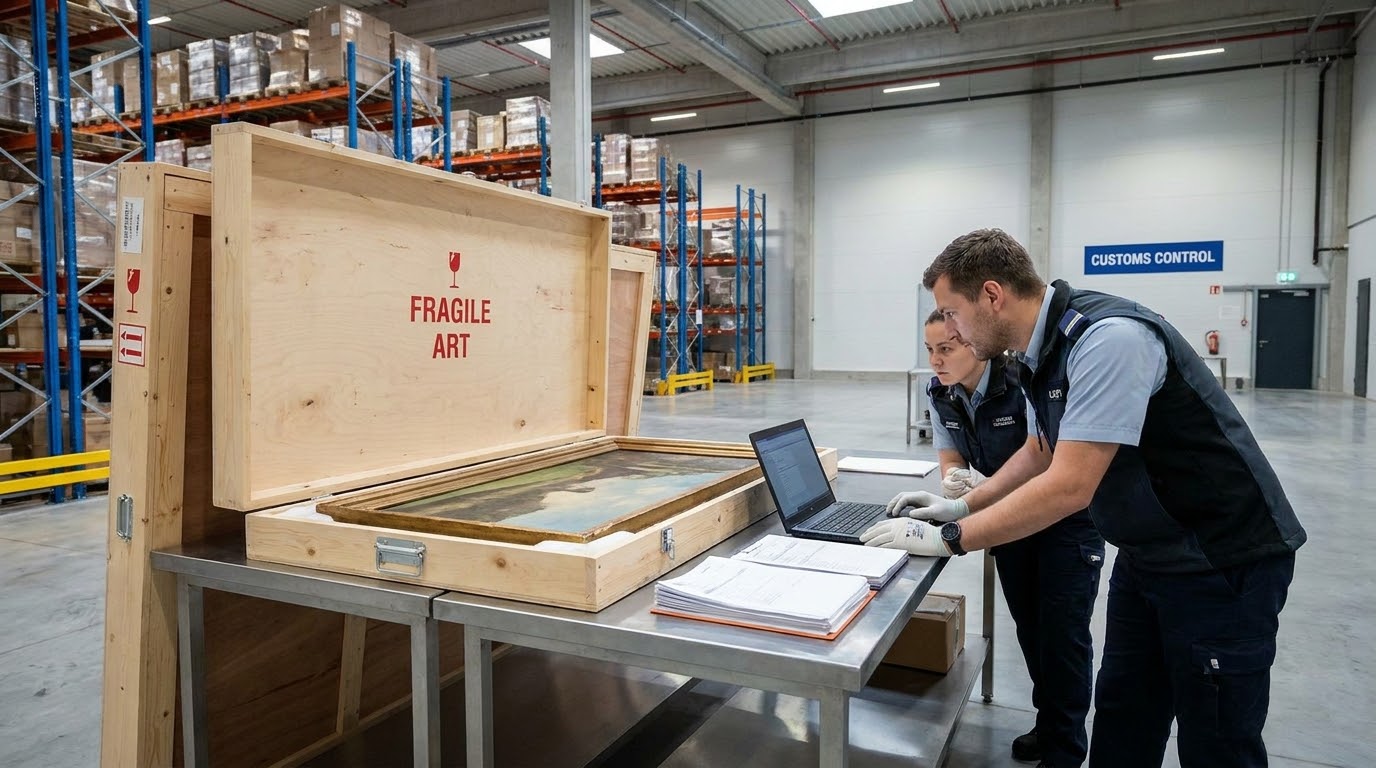
If the description of the contents does not match the declared code, customs authorities may conduct an additional inspection.
For example, the documents may describe the item as printed material, while the accompanying information indicates that it is an original work of art.
In such cases, the sender may need to clarify the product's characteristics.
Requests for Documents or Additional Product Information
Depending on the circumstances, customs authorities may request photographs, descriptions of materials, proof of value, or documents confirming the item's origin.
Works of art may require additional documentation relating to their legal status and export requirements.
Changes to the Calculation of Customs Duties and Taxes
Commodity classification can affect the applicable duty rates and import conditions.
If the declared HS code does not correspond to the actual item, customs authorities in the destination country may change its classification and recalculate the applicable duties and taxes.
Can a Parcel Be Returned to the Sender Because of a Coding Error?
An incorrect commodity code does not automatically mean that the parcel will be returned.
In many cases, the issue can be resolved by correcting the information or providing additional documents. However, if the discrepancy cannot be resolved, the parcel may be returned or other consequences may follow.
Why Is It Especially Important to Use the Correct Commodity Code When Shipping a Painting?
Works of art require special attention because both their physical characteristics and their potential status as cultural property may affect international shipping.
How Does an Original Painting Differ from a Reproduction for Customs Purposes?
An original painting is created by an artist directly on canvas, cardboard, wood, or another surface.
A reproduction is a copy of an existing image produced using printing technology.
Even when the two look similar, they may belong to different commodity categories.
How to Determine the TN VED Code for a Painting
People who are shipping artwork abroad for the first time often search for TN VED code for painting.
However, there is no single universal code for every type of image. It is necessary to consider whether the work is original, how it was created, and which materials were used.
For shipments from Ukraine, the current UKT ZED classification should be used, while imports into another country must comply with that country's requirements.
Why Doesn't the Correct Code Replace an Art Export Permit?
A commodity code identifies the category of an item, but it does not establish whether the item is classified as cultural property.
Depending on the artwork's characteristics, a state expert examination report or a certificate authorizing the export of cultural property from Ukraine may be required.
Therefore, correct commodity classification and verification of the necessary export documents are two separate stages of preparation.
How to Check a Commodity Code Before Sending an International Parcel
Checking the classification in advance helps prevent errors that might otherwise be discovered only after the shipment has been dispatched.
Where to Find Current TN VED and UKT ZED Codes
International shipments from Ukraine should be classified using the current Ukrainian Classification of Goods for Foreign Economic Activity.
It is advisable to search for TN VED codes and UKT ZED codes in official classification databases, taking into account the country of origin, destination, and the latest applicable regulations.
What Product Information Helps Prevent Classification Errors?
Before searching for a code, it is advisable to prepare the following information:
- The exact product name and intended purpose.
- The main material used in its manufacture.
- The manufacturing method.
- The condition and specific characteristics of the item.
- Additional features that may affect its classification.
For example, when shipping a painting, it is useful to specify the painting technique, support material, and whether the work is an original.
What Should You Do If You Are Unsure Which Code Is Correct?
Sometimes an item appears to fit several descriptions in the commodity classification system.
In such cases, it is necessary to examine the official explanatory notes, section and chapter notes, and the rules for interpreting commodity headings.
If you cannot determine the correct code independently, it is advisable to consult a customs clearance specialist.
How to Avoid Customs Problems When Shipping Paintings from Ukraine
International art shipping requires attention to several matters: correct commodity classification, documentation, packaging, and transportation.
Preparation should begin with an accurate description of the painting. It is important to identify its technique, dimensions, support material, and presumed authorship.
Next, the requirements for exporting the artwork from Ukraine should be checked. If its legal status is unclear, expert examination may be necessary.
Packaging is equally important. Smaller works can be protected with suitable materials and cardboard boxes, while large or fragile paintings may require reinforced shipping crates.
ArtDom assists with preparing documents for exporting paintings, professional artwork packaging, and international art transportation.
However, even a correctly selected TN VED code and properly prepared documentation do not completely eliminate the possibility of additional customs inspections.
If you are shipping an original painting abroad, it is important to verify that the information in the customs declaration matches the artwork's actual characteristics. Particular attention should be paid to the search term TN VED code for painting: the selected classification must be checked against the current regulations. When encountering the term UKT VED, make sure that it refers to Ukraine's official UKT ZED classification. This preparation helps reduce the risk of delivery delays.

Frequently Asked Questions (FAQ)
What Should You Do If the Wrong TN VED Code Is Entered in a Customs Declaration?
If the TN VED code has been entered incorrectly, you should contact the postal operator or shipping company as soon as possible. Depending on the shipment's current stage, it may be possible to correct the information or provide additional documents. An error does not always result in the parcel being returned, but it can sometimes cause customs delays.
What Is the Difference Between an HS Code, TN VED, and UKT ZED?
An HS code is an international product classification code based on the Harmonized System, which uses six digits as its common foundation. TN VED and Ukraine's UKT ZED are based on this system but provide more detailed commodity classifications. The term UKT VED is also sometimes used in searches, although the official Ukrainian abbreviation is UKT ZED. As a result, the complete codes used by different countries may not match.
Where Can You Find Current TN VED Codes for International Parcels?
Current TN VED codes should be checked in the official commodity classification systems of the relevant country. For shipments from Ukraine, the current UKT ZED classification should be used. When searching, it is important to consider not only the product name but also its material, manufacturing method, and intended use. Codes found in outdated reference materials may no longer be valid.
Which TN VED Code Should Be Used When Shipping a Painting Abroad?
There is no universal answer to the search query TN VED code for painting. Original paintings, printed reproductions, and decorative posters may belong to different commodity headings. Original paintings created entirely by hand generally fall under heading 9701 when the relevant classification conditions are met. The exact code depends on the characteristics of the artwork and the requirements of the current classification system.
Can an Error in a Single Digit Cause an International Parcel to Be Returned?
Yes, but a return is not automatic. An incorrect code may trigger an additional customs inspection, a request for documents, or the need to correct the declaration. If the issue is resolved, the shipment may continue to its destination. A return may occur when customs clearance cannot be completed or applicable requirements have not been met.
Is an Export Permit Required for a Painting If the Commodity Code Is Correct?
A correctly selected commodity code does not replace the documentation required for exporting cultural property from Ukraine. Depending on the painting's age, origin, and legal status, an expert examination report or export authorization certificate may be necessary. Before shipping artwork internationally, it is advisable to check both its commodity classification and the requirements for legally transporting it across the border.
Conclusion
A single incorrect digit in a commodity code does not necessarily result in a returned parcel or serious problems. However, an error may change the classification of an item, trigger additional customs checks, affect the calculation of customs duties, and increase delivery times.
Therefore, before sending an international parcel, it is important to verify not only the recipient's address and the contents of the shipment but also the commodity codes. Particular care should be taken when shipping original paintings, sculptures, and other works of art, where correct classification must be combined with compliance with cultural property export requirements.
Call us: +380632478102.
Reliable packaging and international delivery of valuable items