



How to Pack a Framed Painting for Shipping
 Art DomDecember 19, 2024

Transporting a painting always involves risk. Even a small careless movement or a sudden knock can damage the fragile canvas and frame. Reliable packing is a kind of insurance against the unexpected. It keeps the painting safe and sound in transit over any distance.
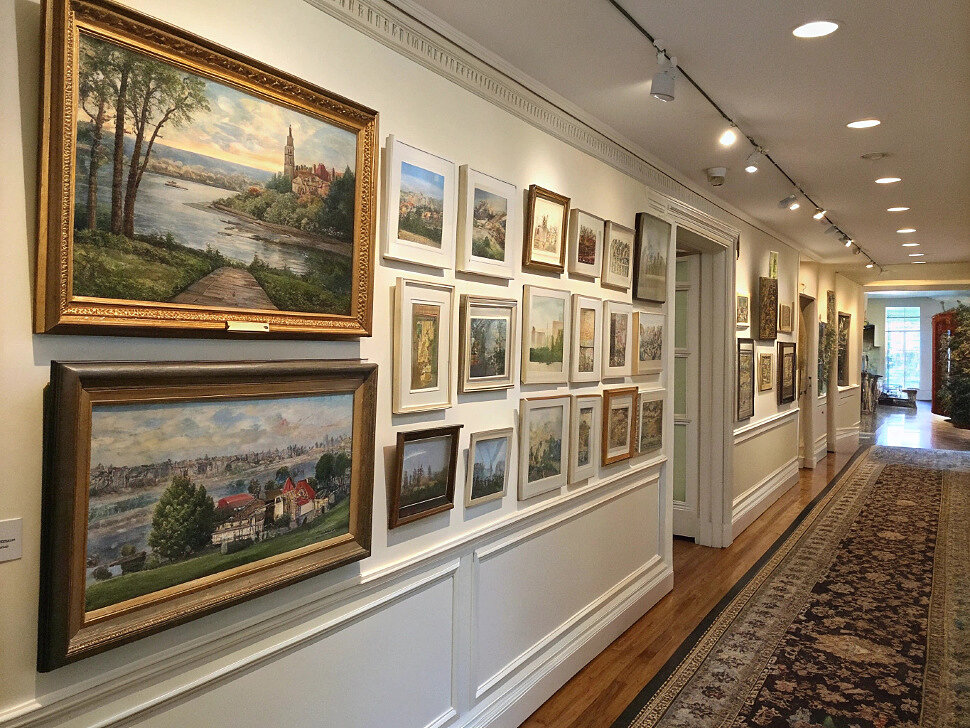
What are the risks of improper packing?
Improper packing can lead to the following damage:
- Damage to the canvas: Cracks, tears, scratches.
- Damage to the paint layer: Flaking paint, abrasions, dents.
- Damage to the frame: Cracks, chips, warping.
- Damage to the glass: Cracks, chips.
- Damage to the mat: Creases, tears.
The main causes of damage:
- Insufficient securing: If the painting is not firmly secured inside the box, it can shift in transit and get damaged.
- No cushioning: Without soft materials inside the box, the painting can strike the walls of the box.
- Improper use of packing materials: Using unsuitable materials or the wrong packing technique can lead to damage.
To avoid these risks, you need to prepare the painting carefully for transport and use high-quality packing materials.
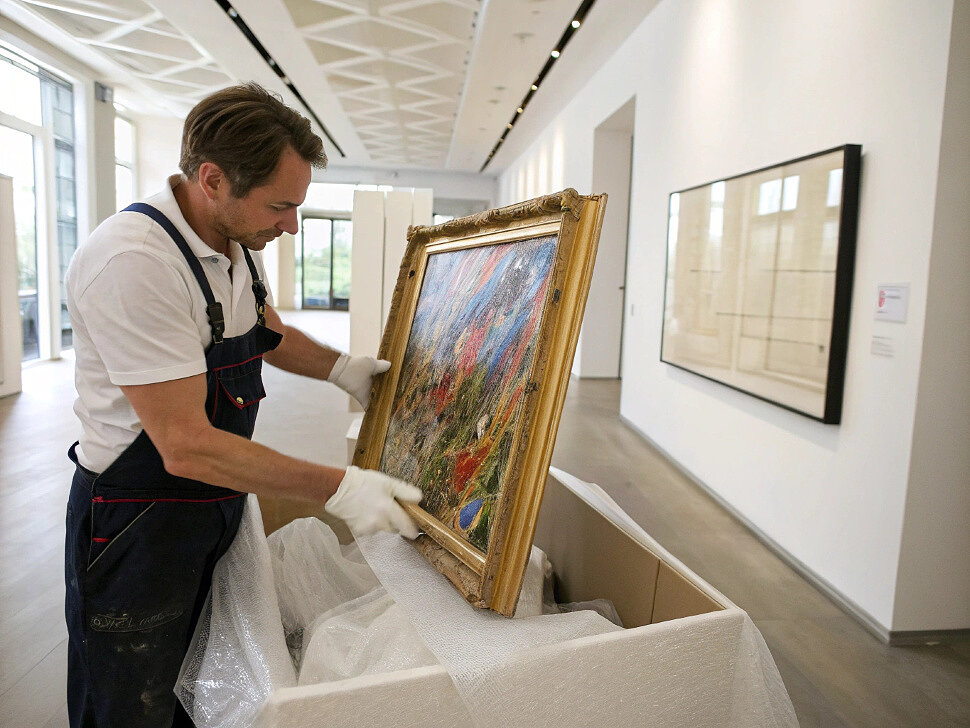
Materials for packing a painting
Choosing the right materials for packing a painting is the key to keeping it safe in transit. Let's look at the most popular and effective materials.
Bubble wrap
Bubble wrap is one of the most common materials for packing fragile items. It provides excellent protection against knocks and scratches.
- Types of bubble wrap:
- Single-sided: The bubbles are on one side only. Suitable for packing small, light items.
- Double-sided: Bubbles on both sides. Provides more reliable protection.
- With different bubble sizes: The larger the bubbles, the softer and thicker the wrap.
- How to choose: For packing paintings, double-sided bubble wrap with large bubbles is recommended. It provides maximum cushioning and protection against knocks.
Corrugated cardboard
Corrugated cardboard is very strong and rigid. It is used to make boxes that protect the contents from external impacts.
- Advantages:
- Strength
- Rigidity
- Light weight
- Eco-friendliness
- Use: Corrugated cardboard is used to make boxes for packing paintings. The box should be slightly larger than the painting itself, so that there is room inside for cushioning materials.
Foam corner protectors
Foam corner protectors protect the corners of a painting from damage. They prevent chips, scratches and other mechanical damage.
Tape
Tape is used to secure the packing materials.
- Types of tape:
- Packing tape: Clear or brown tape with strong adhesion. Used to seal boxes and secure wrapping film.
- Masking tape: Paper tape with low adhesion. Used for temporary fastening.
- How to use it properly: Tape should be applied evenly, without creases or bubbles. It is not advisable to use too much tape, as this can damage the surface of the painting.
The packing process
Preparing the frame
- Cleaning:
- Gently remove dust from the surface of the frame with a soft dry cloth or a special brush for paintings. Avoid using wet wipes or abrasive materials so as not to damage the surface.
- If there is minor dirt on the frame, you can use special cleaning products for paintings.
- Removing the glass:
- If the painting is protected by glass, remove it carefully to avoid chips or cracks.
- Pack the glass separately in bubble wrap and place it in a box to protect it from damage in transit.
2. Protecting the corners
- Foam corner protectors:
- Attach self-adhesive foam corner protectors to the corners of the frame. This will help protect the most vulnerable parts of the painting from knocks and damage.
- If you don't have self-adhesive corners, you can secure them with ordinary packing tape.
3. Wrapping in bubble wrap
- First layer:
- Start at one of the corners of the frame and wrap it tightly in bubble wrap. The bubbles should face outwards to provide maximum cushioning.
- Pay particular attention to the corners, wrapping them carefully several times.
- Second layer:
- For extra protection, wrap the frame in a second layer of wrap perpendicular to the first. This creates more reliable protection against knocks.
4. Securing the wrap with tape
- Tape:
- Use wide packing tape to secure the wrap firmly.
- Apply strips of tape crosswise over the wrap so that it does not unwind in transit.
- Make sure the tape does not touch the visible surface of the painting.
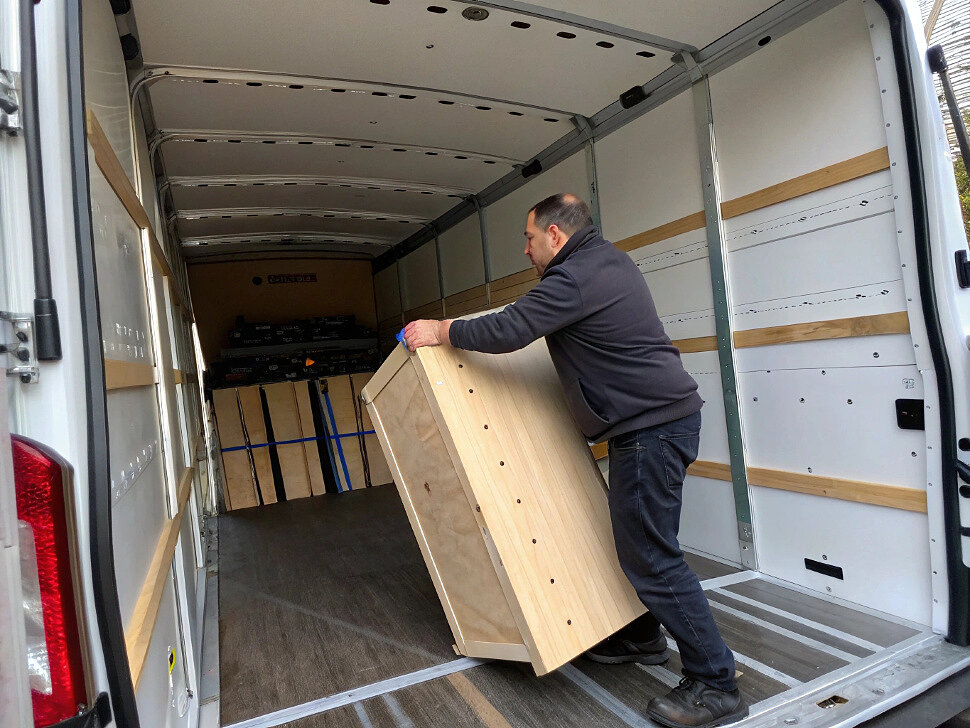
Safe packing of a painting guarantees its preservation
Summary of the main packing stages
Proper packing of a painting is a multi-stage process that requires attention and care. The main stages include:
- Preparing the frame: thorough cleaning of dust and dirt, removing the glass (if necessary).
- Protecting the corners: using foam corner protectors to prevent damage.
- Wrapping in bubble wrap: applying several layers of wrap for maximum cushioning.
- Securing the wrap with tape: fastening the wrap firmly to prevent it from unwinding.
- Packing into a box: choosing a suitable box and filling the empty spaces with soft materials.
- Labelling the box: applying clear, easy-to-read markings to ensure safe handling in transit.
Why professional packing matters for valuable paintings
Even if you pack a painting yourself, it is important to follow all the rules and use high-quality materials. However, for especially valuable or fragile works of art, it is advisable to turn to professionals. Art packing specialists have experience with different types of paintings and use special techniques and materials that guarantee maximum safety in transit.
Tips for storing a packed painting until transport
- Dry place: Store the packed painting in a dry place, away from direct sunlight and temperature fluctuations.
- Upright position: If possible, store the box upright to avoid warping.
- Protection from mechanical damage: Put the box in a safe place where it will not be exposed to impacts.
- Checking the packing: Check the condition of the packing from time to time, especially before transport.
Proper packing of a painting is an investment in its preservation. By following these recommendations, you can ensure safe transport of your artwork and keep it in its original condition.
Additional tips:
- Documentation: Keep all receipts related to the packing and transport of the painting. They may be needed if an insurance claim arises.
- Photographs: Take photographs of the painting before and after packing. This will help record its original condition and simplify the insurance process.
- Consulting a specialist: If you have any doubts or questions, ask an art packing specialist for advice.
By following these recommendations, you can ensure safe transport of your painting and preserve it for future generations.
Want to learn more about our services? Contact us!
Call us at +38 063 247 8102
Or message us on Telegram, Viber, or WhatsApp
Our website: artdom.com.ua