



Where to Get a Painting Authenticated in Ukraine
 Art DomDecember 19, 2024

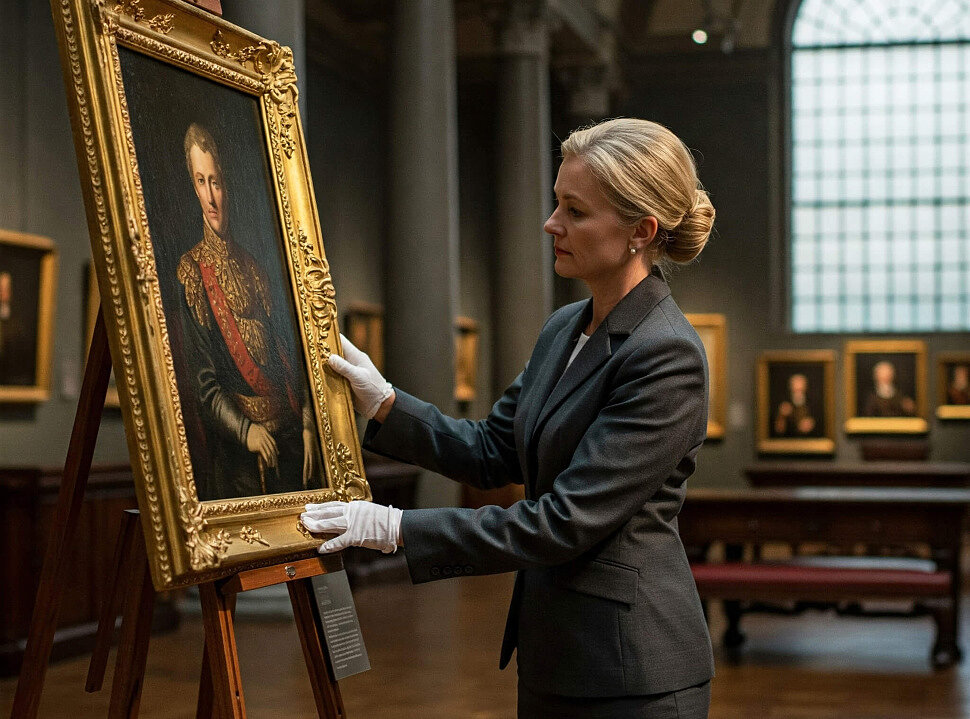
Art expertise for a painting is a comprehensive study of a work of art aimed at establishing its authenticity, authorship, date of creation and artistic value. In other words, it is a process that gives a definitive answer to the question: is the painting a genuine work by a particular artist, and does it have historical or artistic value?
Why is an expert examination needed?
Today's art market is full of forgeries. Even a trained eye cannot always tell an original from a copy. An expert examination makes it possible to:
- Establish authenticity: Determine whether the painting is an original or a copy.
- Identify the artist: Establish exactly who created the work.
- Assess artistic value: Determine how significant the work is from a historical and artistic point of view.
- Determine market value: Find out what price the painting could fetch on the art market.
How is the examination carried out?
The expert examination of a painting involves several stages:
- Visual analysis: Studying the painting with the naked eye and analysing its composition, colour and technique.
- Technical analysis: Using special instruments to examine the materials used to create the painting (paints, canvas, ground).
- Historical analysis: Studying the artist's biography and creative path, and comparing the painting under examination with the master's known works.
- Comparative analysis: Comparing the painting under examination with other works by the same artist or from the same period.
Key examination methods:
- Signature analysis: Examining the artist's signature to verify its authenticity.
- Brushwork analysis: Studying the artist's manner of painting and the characteristic features of their brushstrokes.
- Materials analysis: Analysing the composition of the paints, canvas and ground.
- Ultraviolet and infrared examination: Reveals underdrawings, alterations and restorations.
- X-radiography: Makes hidden paint layers visible and shows how many times the painting has been overpainted.
Please note:
The expert examination of a painting is a complex and painstaking process that requires in-depth knowledge of art history, art studies and restoration. That is why it should be entrusted only to qualified specialists.
Why get a painting examined?
An expert examination of a painting is not just a matter of curiosity – for many people it is a necessity. It provides accurate and reliable information about a work of art, which is especially important in the following cases:
- Selling a painting:
- Determining market value: An examination helps establish the real price of a painting, which is especially important when selling at auction or through galleries.
- Protection against fraud: An expert opinion serves as a guarantee of the painting's authenticity and protects the seller against claims from the buyer.
- Transparency of the deal: Having an expert opinion increases the trust of potential buyers.
- Buying a painting:
- Guarantee of authenticity: Before buying an expensive painting, it is important to make sure it is genuine so as not to end up with a forgery.
- Assessing investment potential: An examination will help evaluate how promising the painting is as an investment.
- Building a collection: When assembling a collection of artworks, it is important to have accurate information about each painting.
- Inheritance:
- Valuing the estate: An examination makes it possible to value a painting for inheritance purposes.
- Dividing property: In the event of disputes between heirs, an expert opinion can be the decisive argument.
- Insurance:
- Setting the sum insured: To insure a painting properly, you need to know its exact value.
- Setting the insurance terms: An expert opinion can affect the terms of the insurance policy.
- Simple curiosity:
- Learning the painting's history: Many people are interested in how a painting was created, where it came from and what happened to it.
- Establishing authorship: If the signature on a painting is illegible or missing, an examination will help identify the artist.
Key questions an expert examination answers:
- How can you find out who painted a picture? An examination helps identify the artist by style, technique, use of materials and other characteristics.
- Who is the artist? The expert opinion states the artist's exact name and confirms their authorship.
- Identifying the artist from the painting. Even if the signature on a painting is missing or damaged, an expert can determine the artist from the stylistic features of the work.
In short, the expert examination of a painting is not just a formality but an important tool for anyone who wants to buy, sell or inherit a work of art, or simply learn more about it.
How to choose an expert to appraise a painting: a detailed guide
Choosing an expert to appraise a painting is an important decision, because the accuracy of the opinion – and, consequently, your financial security – depends on their competence. Let's look at what to pay attention to when choosing a specialist.
Criteria for choosing an expert:
- Specialisation:
- Period and style: The expert should specialise in the art of the period and style to which your painting belongs. For example, if you have an icon, you need an art historian who specialises in icon painting.
- Technique: The expert should be familiar with various painting techniques (oil, watercolour, tempera, etc.) and with the materials used in that period.
- Reputation:
- Experience: Find out how long the expert has been working in this field. Experience is the best teacher.
- Client reviews: Read reviews of the expert's work from other clients. This will help you form an objective opinion of their professionalism.
- Publications: Check whether the expert has published in academic journals or written books on art history. This is evidence of in-depth knowledge.
- Membership of professional bodies:
- Associations of art historians: Membership of professional bodies shows that the expert is recognised in the academic world.
- Licence:
- Official authorisation: In some countries a special licence is required to carry out expert examinations. Check this point.
- Equipment:
- Modern technology: Modern laboratories for the examination of paintings are fitted with special equipment that allows detailed analysis of works of art.
- Cost of services:
- Price comparison: Compare the prices of different experts, but remember that a low price may indicate that the specialist is not sufficiently qualified.
Where to look for an expert?
- Museums and galleries: Many museums and galleries offer art expertise services.
- Auction houses: Auction house specialists often examine paintings before a sale.
- Antique shops: Antique shops employ experts who can appraise your painting.
- Specialised companies: There are companies that deal exclusively with the expert examination of works of art.
Consider ArtDom. We offer expert examination services for paintings and other works of art. Our specialists have in-depth knowledge of art history and use modern research methods.
Why choose ArtDom?
- Highly qualified experts: Our experts have many years of experience and are recognised specialists in their field.
- Modern equipment: We use the latest technologies to carry out examinations.
- Individual approach: Every customer is a unique client for us. We are ready to answer all your questions and provide detailed information on the progress of the examination.
- Affordable prices: We offer competitive prices for our services.
Order an expert examination of your painting from ArtDom and see the quality of our work for yourself!
Additional tips:
- Gather as much information about the painting as possible: year of creation, artist, materials, previous owners.
- Don't hesitate to ask questions: The more information you get from the expert, the better.
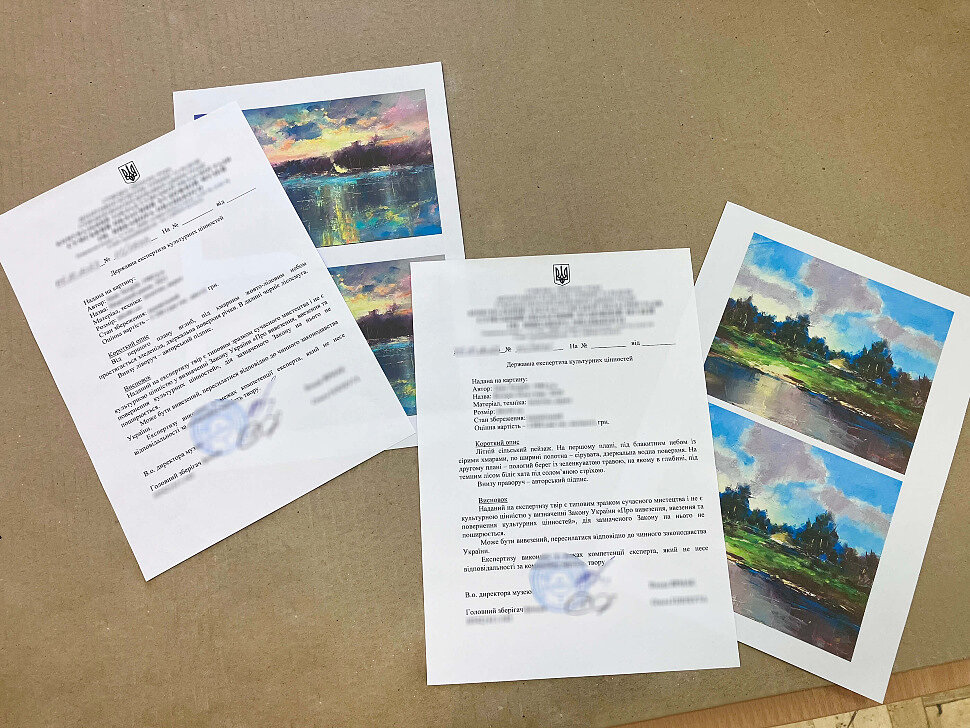
- Insist on a written opinion: The expert opinion should be issued in writing and contain all the necessary information about the painting.
By following these tips, you will be able to choose a competent expert and obtain reliable information about your painting.
Stages of a painting's expert examination: from intake to the final opinion
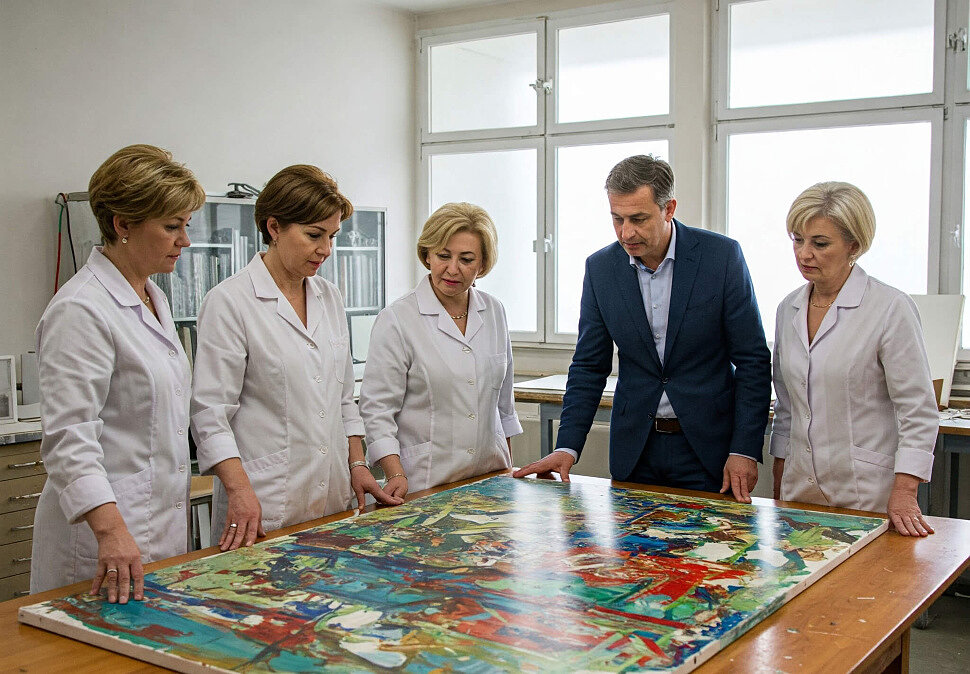
The expert examination of a painting is a complex process that requires in-depth knowledge and special equipment. Let's look at the main stages a work of art goes through during an examination.
1. Intake and initial inspection
- Gathering information: The expert receives all available information about the painting from the client: its provenance, previous owners, earlier examinations, etc.
- Visual inspection: The painting is carefully inspected to identify visible defects, retouching and restorations.
- Photographic documentation: Detailed photographic records of the painting are made, including macro shots of individual areas.
2. Art-historical examination
- Attribution: Determining the authorship, date of creation, style and artistic school.
- Comparative analysis: Comparing the painting under examination with known works by the presumed artist or by artists of the same movement.
- Study of historical documents: Analysing archival materials, letters, auction catalogues and other documents related to the painting's history.
3. Technical examination
- Materials analysis: Studying the composition of the paints, canvas and ground using special chemical reagents and instruments.
- Signature examination: Analysing the artist's signature for authenticity and comparing it with known examples.
- Physical and chemical methods: Using ultraviolet and infrared radiation and X-radiography to reveal hidden paint layers, retouching and restorations.
- Dendrochronology: Determining the age of the wood from which the support is made in order to date the painting more precisely.
4. Preparing the expert opinion
- Analysis of the data obtained: Organising and analysing all the data obtained.
- Drawing conclusions: Based on the research carried out, the expert draws conclusions about the painting's authenticity, authorship, date of creation, artistic value and market value.
- Drawing up the opinion: A detailed expert opinion is prepared, setting out all the research carried out, the results obtained and the conclusions.
5. Handing the opinion over to the client
- Issuing the document: The client receives the original expert opinion, signed by the expert and stamped with the organisation's seal.
- Consultation: If necessary, the expert can provide an additional consultation on the results of the examination.
Please note:
- Duration of the examination: The time needed for an examination may vary depending on the complexity of the painting and the scope of the research required.
- Cost of the examination: The cost of an examination depends on many factors: the size of the painting, the complexity of the research and whether additional specialists need to be involved.
- Confidentiality: All information about the painting and its owner is confidential.
ArtDom offers professional art expertise services for paintings. Our specialists have in-depth knowledge and experience in this field and use modern equipment for their research.
Want to know more about our services? Get in touch!
Call us on +38 063 247 8102
Or message us on Telegram, Viber or WhatsApp
Our website: artdom.com.ua