


Export Permit for Paintings and Customs: Who Is Responsible for What
 Art DomJanuary 20, 2026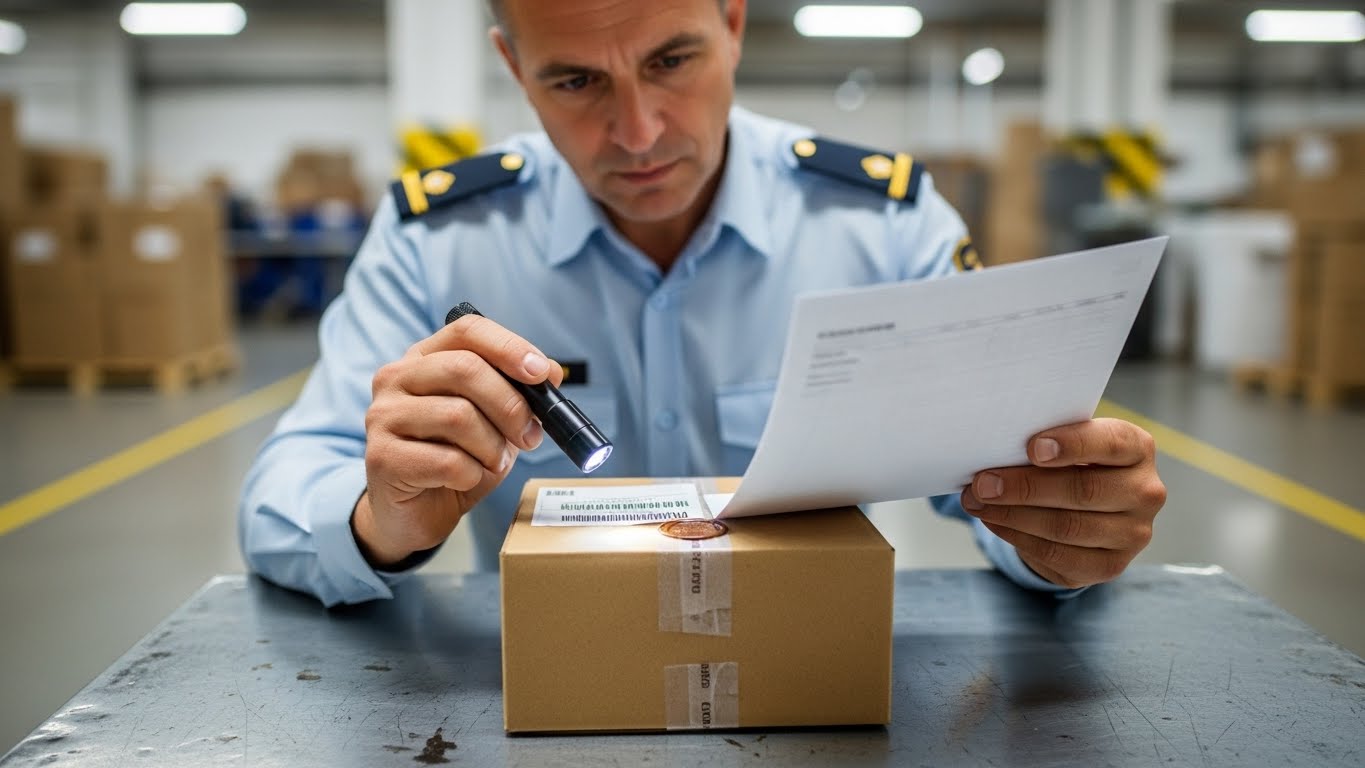
When it comes to the international shipment of artworks, many painting owners, artists, and collectors face the same problem — confusion about the roles of the parties involved. It often seems that customs “decides everything,” experts merely “give advice,” and the carrier simply transports the artwork. This misunderstanding leads to mistakes, delays, and conflicts, especially when someone is trying for the first time to understand how to ship a painting abroad from Ukraine.
In reality, the art export system is logical and sequential. Each participant — experts, customs authorities, and the owner — has a clearly defined area of responsibility. An export permit for a painting from Ukraine does not appear randomly or “at the request of customs,” but as the result of an expert evaluation conducted before the border is crossed. Understanding this structure helps avoid false expectations, wrong decisions, and unpleasant surprises.
Why It Is Important to Understand the Distribution of Responsibilities
A Common Mistake — Believing That “Customs Decides Everything”
One of the most common mistakes is expecting customs authorities to determine whether a painting, icon, or sculpture may be exported. In practice, customs does not assess artistic, historical, or cultural value. It is not their role to decide whether a work of art is unique or significant.
Customs works with documents. If there is no confirmation of the legality of export at the border, customs is obliged to suspend the process until the circumstances are clarified. However, customs does not replace experts and does not issue permits. This is why disappointment often arises: the owner expects a decision “on the spot” but instead faces a delay.
What Happens When Roles Are Confused
When people do not understand who is responsible for what, they often choose the wrong approach. For example, they try to:
- ship a painting without expert evaluation, hoping to “negotiate” with customs;
- arrange delivery without understanding whether a permit is required;
- ask the carrier to assess the artwork.
The result is almost always the same — problems with the export of paintings from Ukraine, shipment delays, and additional costs. That is why it is crucial to understand the logic of the process in advance.
Who Is Involved in the Art Export Process
Expert Organizations
Experts are the key element of the entire system. They conduct professional assessments of artworks and issue an expert conclusion for paintings, art, and fine art. Their task is to determine:
- the age of the artwork;
- the execution technique;
- authorship (if possible);
- the presence of cultural or historical value.
Experts do not arbitrarily prohibit or allow export. They record objective characteristics of the artwork, on the basis of which a decision on exportability is made. Without an expert conclusion, it is impossible to correctly arrange the export of paintings, export of icons, or export of sculptures.
Customs Authorities
Customs is responsible for controlling the legality of crossing the border. Its task is to verify:
- compliance of the object with the declared documents;
- the presence of permits;
- correctness of documentation;
- compliance with customs regulations.
It is important to understand: customs does not determine artistic value, does not conduct expert evaluations, and does not replace specialists. It works with what has already been prepared before the border.
The Owner or Sender
The owner of a painting, sculpture, or icon bears primary responsibility for preparation. They:
- initiate expert evaluation;
- collect documents;
- correctly describe the object;
- choose the method of delivery.
Mistakes made at this stage will surface at customs. Therefore, the owner’s role is not formal — it is decisive.
Center for packaging valuable and fragile items in Ukraine

What Is an Export Permit for a Painting from Ukraine and Who Issues It
Expert Conclusion as the Basis for the Permit
An export permit for a painting from Ukraine does not appear “by itself.” Its foundation is always an expert conclusion for paintings, art, and fine art. Experts determine whether the artwork falls under restrictions related to the protection of cultural heritage.
Without expert evaluation, it is impossible to legally carry out the export of paintings, export of icons, or export of sculptures, even if the work appears modern or insignificant. The document officially confirms this and resolves questions before the border is crossed.
What Tasks the Permit Solves Before Customs
The permit acts as a preliminary filter. It:
- confirms the legality of export;
- records the characteristics of the artwork;
- reduces the risk of subjective decisions at the border.
In essence, the document answers in advance the questions customs might ask and protects the owner from uncertainty.
The Role of Customs in Exporting Paintings Abroad
What Customs Physically Checks
At the border, customs authorities may:
- inspect the artwork;
- compare it with the description in the documents;
- check the packaging;
- verify the presence of the permit.
This is a standard control procedure, not an artistic assessment. Customs checks compliance, not value.
What Customs Does Not Do
Customs:
- does not determine whether a painting is a cultural value;
- does not issue export permits;
- does not conduct expert evaluations.
That is why expecting to “solve everything at customs” almost always leads to disappointment.
How Experts and Customs Interact
The Logic of the Process “Expertise → Permit → Customs”
The process is sequential:
- Expert evaluation is conducted.
- Based on the conclusion, the permit is issued.
- With documents, the object passes customs control.
If this order is broken, the system fails. Customs cannot replace experts, and experts do not participate in border crossing.
Why the Absence of One Document Stops the Entire Process
Each stage relies on the previous one. No expertise — no permit. No permit — no legal export. Even if the artwork has no cultural value, the absence of a document creates uncertainty that customs must resolve.
Specifics of Customs Control for Different Types of Art
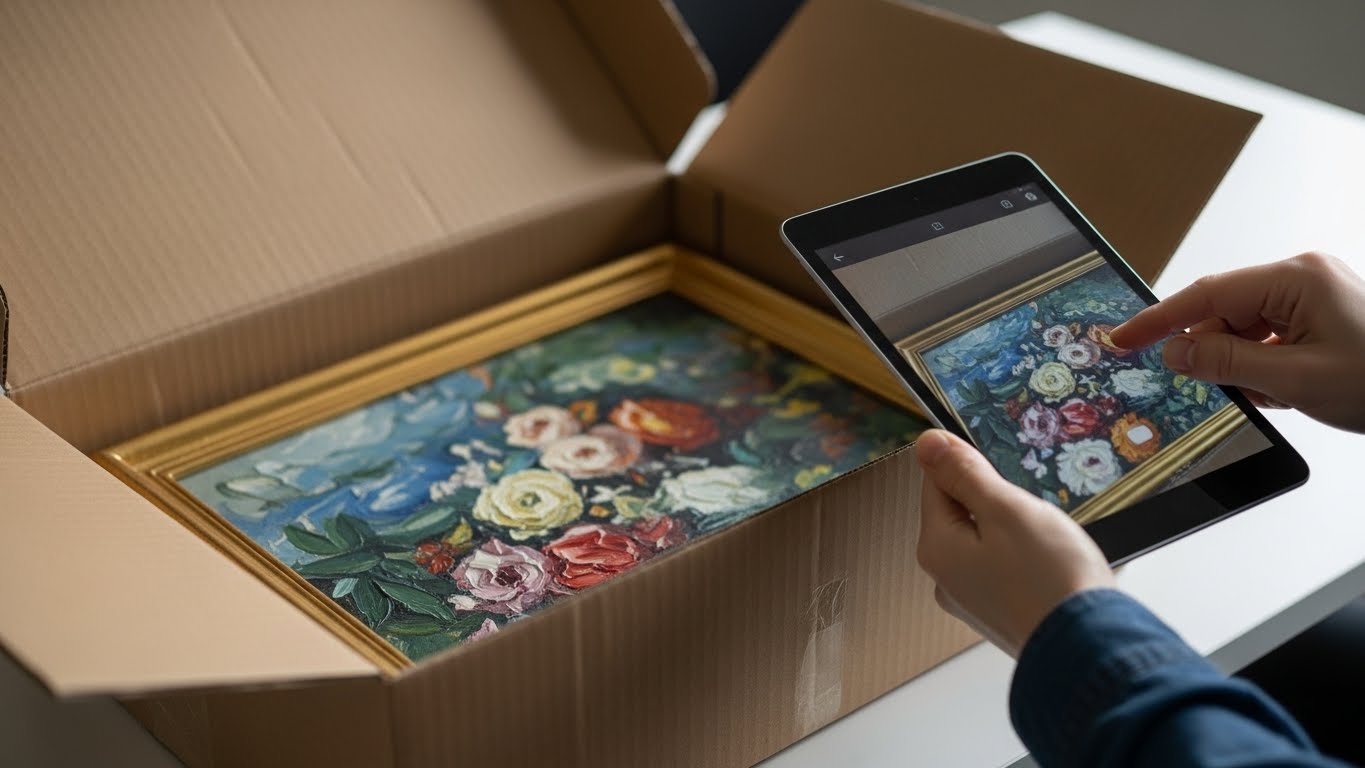
Export of Paintings
When exporting paintings, attention is most often paid to:
- the age of the work;
- authorship;
- execution technique.
Modern paintings usually pass the procedure faster, but only with proper documentation.
Export of Icons
The export of icons falls into a high-risk category. Even new icons may have religious or cultural significance. Therefore, expert evaluation is especially important, and customs pays increased attention to documentation.
Export of Sculptures and Three-Dimensional Objects
The export of sculptures involves not only cultural assessment but also logistics. Dimensions, materials, and packaging are often checked particularly carefully, as mistakes can affect transport safety.
How to Ship a Painting Abroad from Ukraine Without Conflicts with Customs
Preparing Documents in Advance
The main enemy of successful export is haste. Attempts to arrange everything “at the last moment” almost always lead to problems. Preparing documents in advance allows you to:
- calmly pass expert evaluation;
- correctly obtain the permit;
- avoid urgent decisions.
Accurate Description of the Artwork
How the object is described in the documents matters. Inaccurate or vague wording may raise additional questions. A clear description helps customs quickly match the object with the documents and make a decision without delay.
What Happens If a Permit Exists but Questions Still Arise
Additional Customs Inspection
Even with all documents in place, customs may conduct an additional inspection. This does not necessarily mean a problem or suspicion. Most often, it is a standard control procedure.
How to React Correctly and What to Provide
In such situations, it is important to remain calm and provide:
- the permit;
- the expert conclusion;
- accompanying documents.
This is where the importance of proper documentation at the expert stage becomes especially clear.
Frequently Asked Questions About Export Permits for Paintings and Customs
Who decides whether a painting can be exported abroad?
The decision is made not by customs, but by experts. Based on the expert conclusion for paintings, art, and fine art, it is determined whether an export permit for a painting from Ukraine is required and whether the artwork may be exported without restrictions.
If a permit exists, can customs still stop the export?
Yes. Customs has the right to conduct an additional inspection even if the permit has been issued. This is a standard control procedure. When documents are properly prepared, such inspections usually end without problems and do not mean a refusal of the export of paintings from Ukraine.
How to ship a painting abroad from Ukraine without issues at customs?
The most reliable approach is to complete the expert evaluation in advance, obtain the permit, and correctly describe the artwork in the documents. When the process is structured properly, customs only checks document compliance rather than deciding the fate of the painting.
Does customs assess the artistic value of a painting?
No. Customs does not determine artistic, cultural, or historical value. This is the responsibility of expert organizations. Customs verifies documents and their correspondence to the actual object.
What is the difference between exporting paintings and exporting sculptures from a customs perspective?
When exporting paintings, customs mainly focuses on age and authorship. When exporting sculptures, dimensions, materials, and packaging are additionally inspected. In both cases, the key document is the expert conclusion.
Why is the export of icons considered more complex?
The export of icons falls under increased control because religious objects may have cultural value. Even modern icons often require a more thorough expert evaluation to confirm that export is permitted.
Can a carrier handle the export permit instead of the owner?
No. The carrier is responsible only for transportation. They do not issue an export permit for a painting from Ukraine and do not conduct expert evaluations. Responsibility for documents always lies with the owner or sender.
What happens if you attempt to export a painting without a permit?
Possible outcomes include customs delays, return of the shipment, or temporary seizure until circumstances are clarified. Lack of documents is one of the most common causes of problems during the export of paintings from Ukraine.
Is a permit required for temporary export to an exhibition or fair?
Yes. In most cases, a temporary export permit is required. It confirms that the artwork leaves the country for a limited period and will be returned. This applies both to the export of paintings and the export of sculptures.
Can documents be issued if the artist is unknown?
Yes. Experts evaluate the object itself — its style, age, and artistic characteristics. Lack of information about the author is not an automatic prohibition on export.
Conclusion — Clear Role Separation as the Key to Successful Export
Experts are responsible for assessment and preparing the expert conclusion for paintings, art, and fine art. They determine the status of the artwork and the possibility of export. Customs controls the legality of crossing the border based on prepared documents. The owner is responsible for proper preparation and understanding of the process.
When this scheme is clear, the export of paintings from Ukraine, export of paintings, export of icons, and export of sculptures cease to be a source of stress. The process becomes predictable, logical, and safe, and the export permit for a painting from Ukraine becomes not an obstacle, but a tool of protection and confidence.
Call us: +380632478102.
Reliable packaging and international delivery of valuable items